

Why Fresh Artisan Bread Still Matters in Modern Restaurant Service
In today’s restaurant industry, speed matters. Efficiency matters. Consistency matters. But even in the fastest kitchens, guests still notice the details that make a meal feel memorable.
One of the most important details is bread.
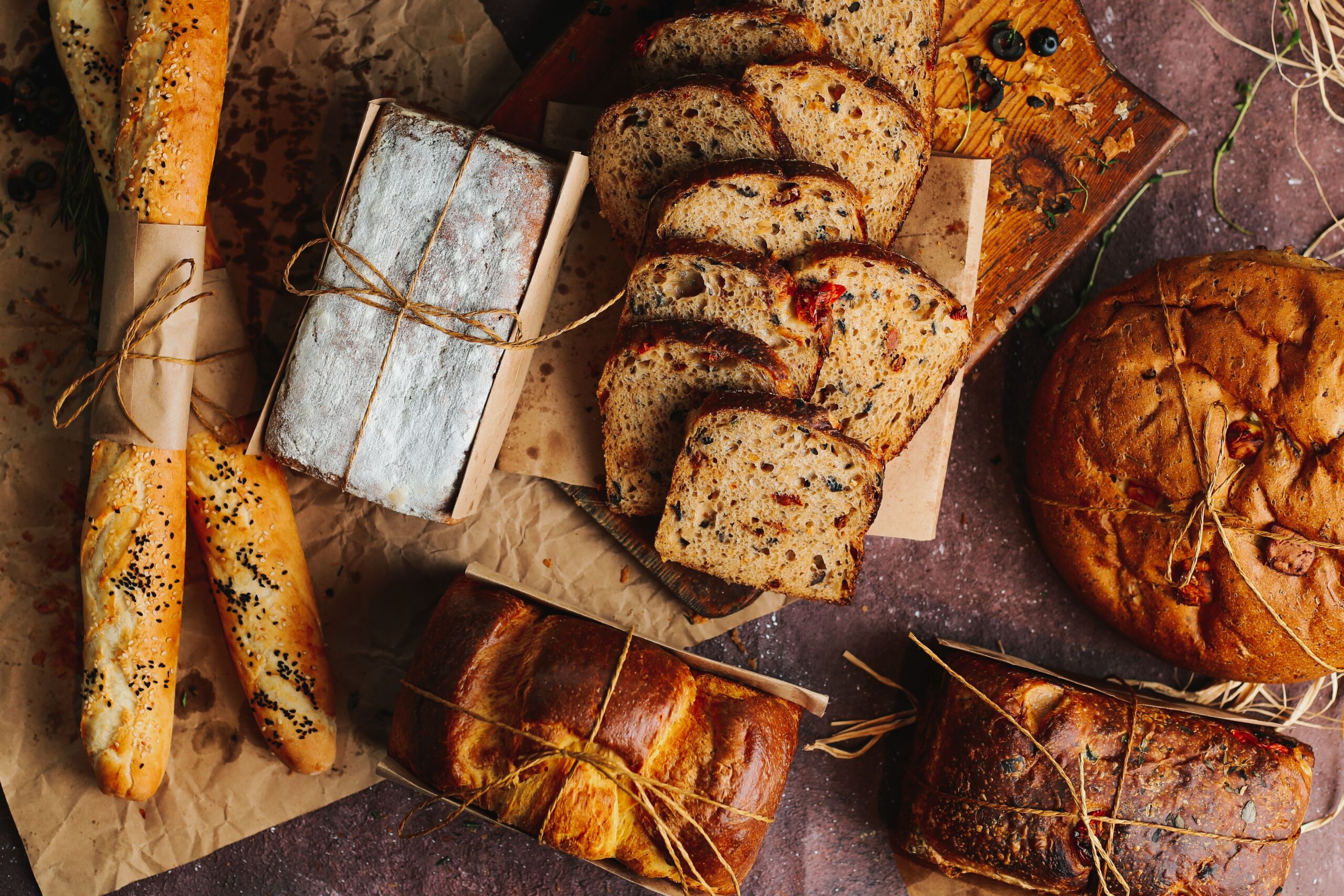
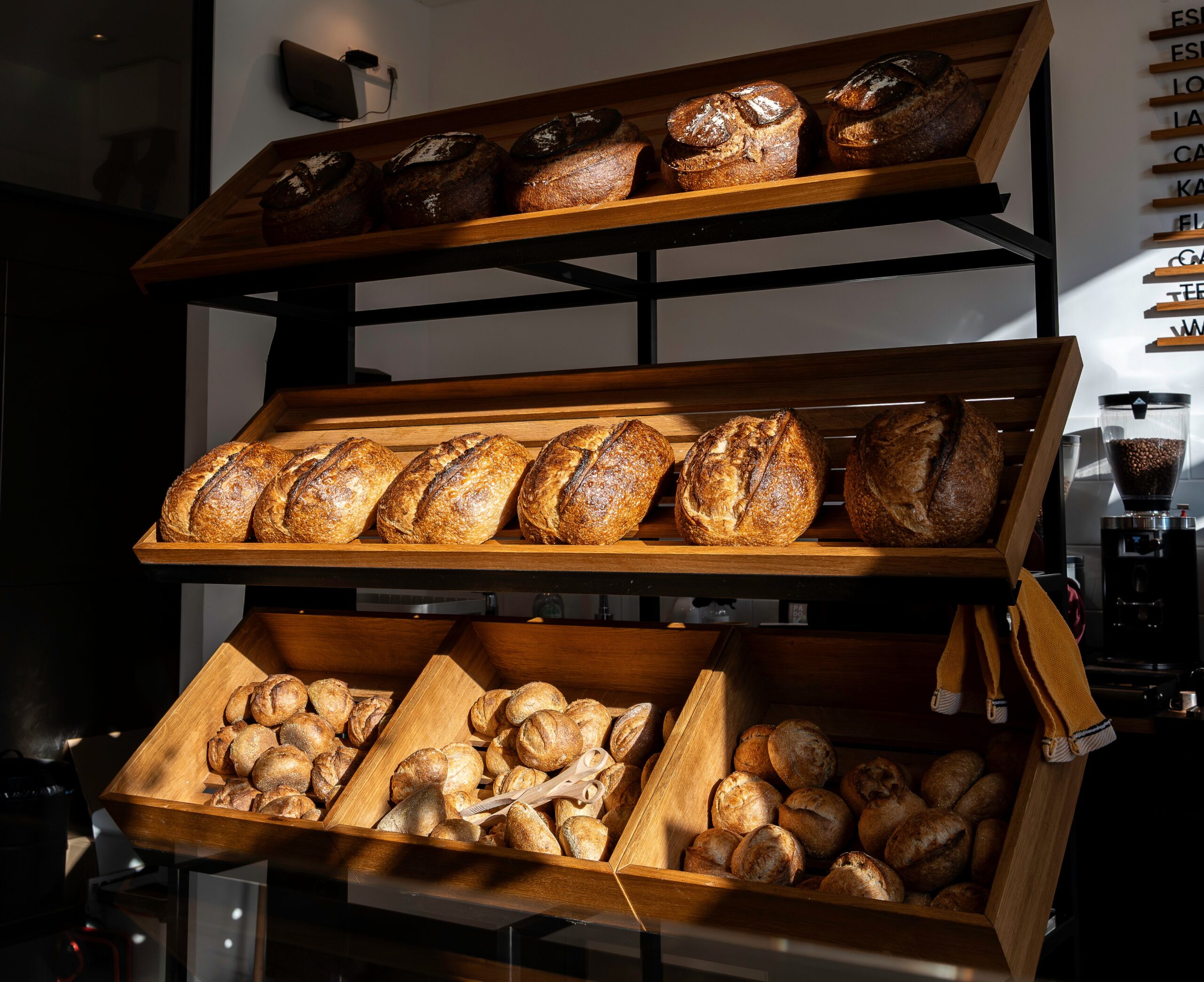
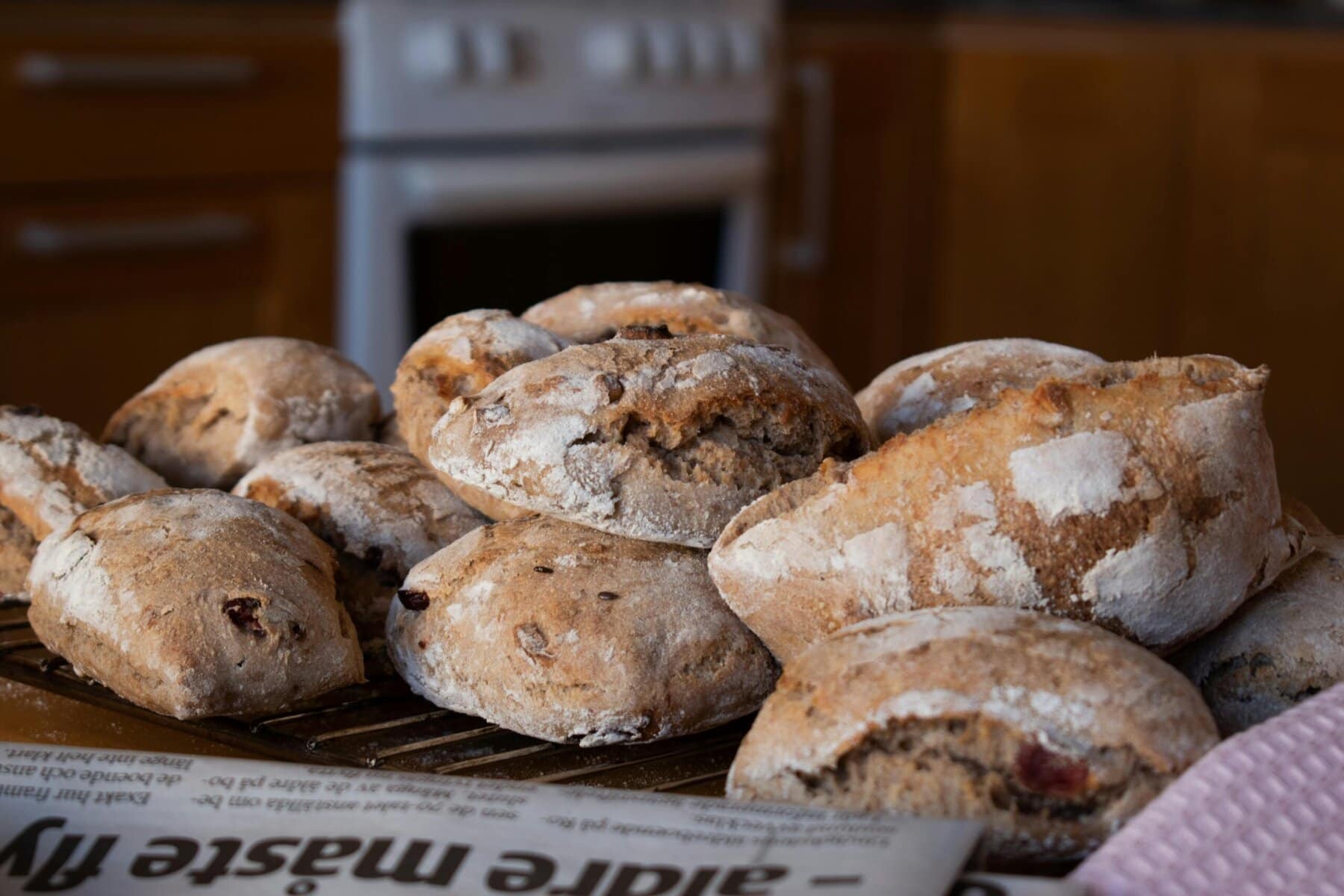
Bread may seem simple, but in professional food service, it carries more weight than many operators realize. It can shape first impressions, support key menu items, and influence how guests perceive quality. For restaurants, cafés, delis, and caterers, fresh artisan bread is not just an extra. It is part of the experience.
Bread Sets Expectations Early
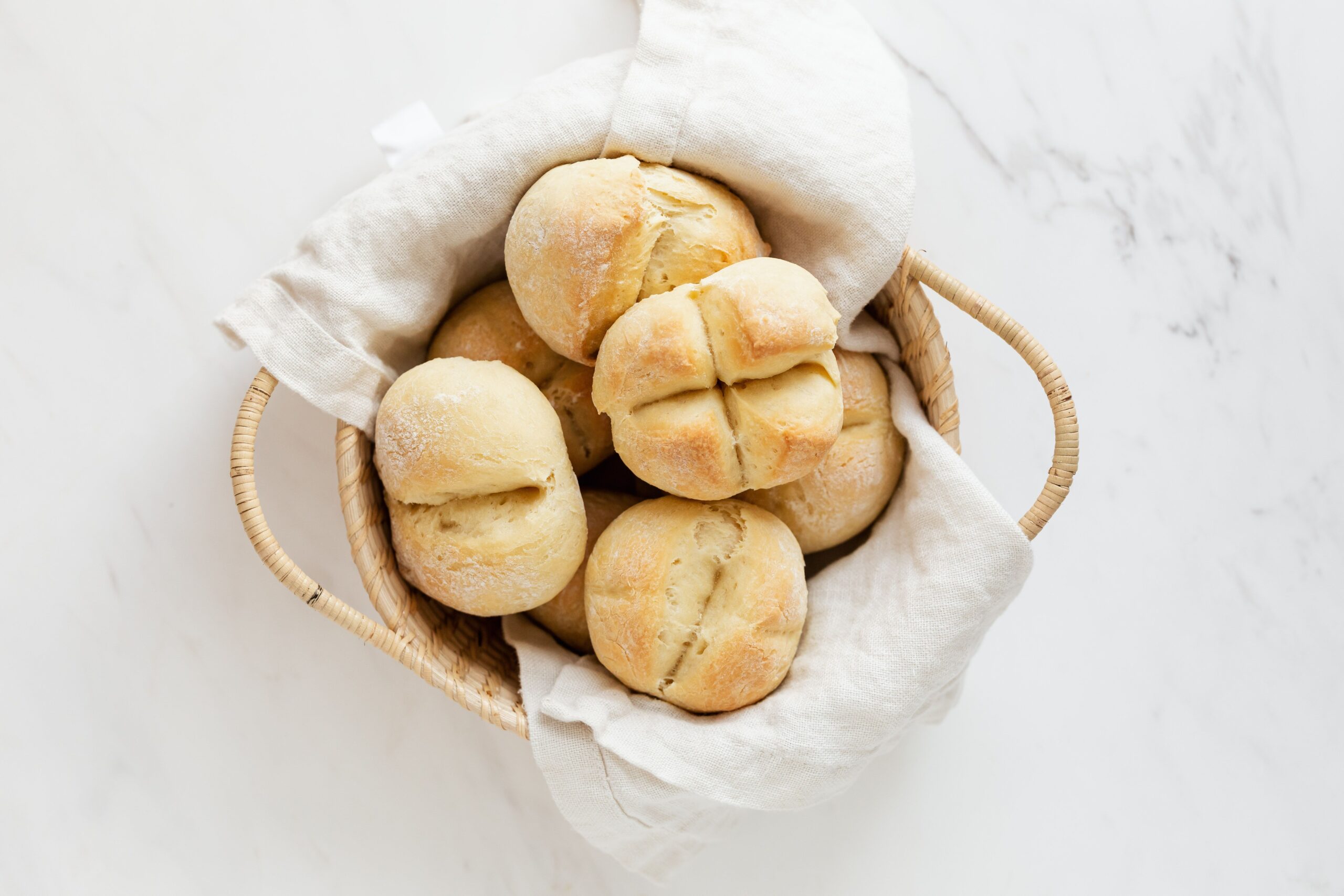
In many restaurants, bread is one of the first things guests see, touch, and taste. It may arrive in a basket at the table, serve as the base of a sandwich, or accompany a soup or salad.
That first bite matters.
If the bread feels stale, dry, or generic, guests notice immediately. If it has a crisp crust, soft interior, and balanced flavor, it sets a better tone for everything that follows.
Before a guest evaluates the entrée, the bread may have already shaped their opinion of the meal.
Simple Ingredients Can Create Stronger Menus
Restaurants often focus on big-ticket menu items when trying to improve quality. They adjust proteins, sauces, or presentation. But sometimes the most effective upgrade is also one of the simplest.
Better bread improves:
Sandwiches
Burger builds
Breakfast offerings
Table service
Catering trays
A stronger loaf or roll can make a dish feel more complete without requiring major changes in the kitchen.
Artisan Bread Brings Texture, Flavor, and Structure
What makes artisan bread different is not only the taste. It is also the process behind it.
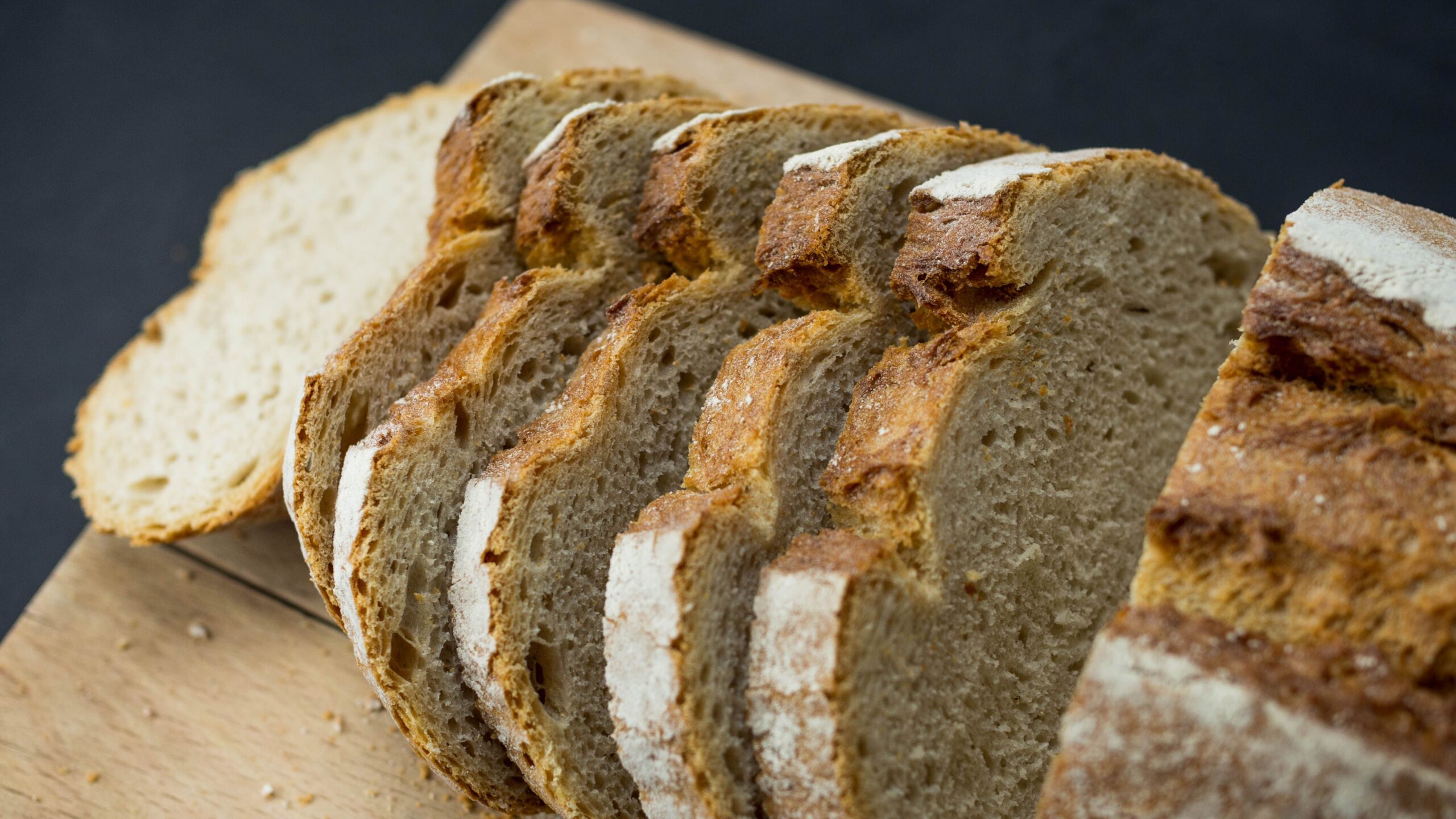
Traditional techniques such as longer fermentation and careful baking help create bread with better crust, better crumb, and better overall character. That means more flavor, more aroma, and a texture that stands up well in real kitchen conditions.
This matters in restaurant service because bread needs to do more than look good. It needs to perform.
It must hold fillings. It must toast evenly. It must slice cleanly. It must stay consistent from one order to the next.
Freshness Supports Better Service
Fresh bread changes the rhythm of a kitchen.
When bread arrives early and ready for prep, teams can start service with confidence. Loaves slice more cleanly. Rolls hold their structure better. Toasting and grilling become more predictable.
Freshness also affects the guest experience in subtle ways. Aroma, texture, and appearance all improve when bread is handled and delivered with timing in mind.
A fresh product helps kitchens maintain standards throughout the day, especially during high-volume service.
Consistency Matters Behind the Scenes
Guests may not think about portion control or prep efficiency, but restaurants do.
Inconsistent bread can create unnecessary problems:
Uneven sandwich builds
Slower prep time
More waste
Less predictable presentation
Consistent bread simplifies operations. It helps staff work faster, maintain standards, and protect food cost. In a busy restaurant, consistency is not just a quality issue. It is an operational advantage.
Bread Influences Perceived Value
Diners notice quality, even when they do not describe it directly.
A sandwich made with well-crafted bread feels more substantial. A bread basket with rustic loaves feels more intentional. A burger served on a properly structured bun feels more complete.
These small details increase perceived value.
That matters for restaurants trying to balance rising costs with guest expectations. Better bread can elevate the overall experience without dramatically increasing complexity or labor.
A Reliable Bread Program Strengthens the Brand
Over time, guests begin to associate certain qualities with a restaurant. They remember the texture of the sandwich, the warmth of the table bread, or the way a roll held everything together without falling apart.
These are small moments, but they build trust.
A strong bread program supports consistency, presentation, and customer satisfaction. It becomes part of the restaurant’s identity, even if it is never the main thing advertised.
The Value of Doing the Basics Well
In a crowded market, restaurants do not always need dramatic changes to stand out. Often, the biggest difference comes from doing the basics exceptionally well.
Fresh artisan bread is one of those basics.
It improves first impressions, supports the kitchen, strengthens menu items, and adds a sense of care to the meal. For restaurants that value quality and consistency, bread is not a minor detail. It is part of what makes the whole experience work.
When the bread is right, everything built around it feels stronger.