

Fresh Bread, Stronger Kitchens: The Value of Artisan Wholesale Bread for NYC Restaurants
In a fast-moving city like New York, restaurant success depends on reliability. Kitchens operate on tight schedules, prep teams move quickly, and every ingredient must perform exactly as expected. Among the many components that shape a great meal, one often sets the tone from the very first bite: bread.
Fresh, well-crafted bread does more than fill a bread basket or support a sandwich. It adds texture, structure, and authenticity to a menu. For restaurants, cafés, delis, and catering businesses, choosing a dependable artisan bread supplier is one of the most practical ways to maintain quality and consistency.
Why Bread Matters More Than You Think
Bread appears in many parts of a restaurant menu. It can be the foundation of a sandwich, the companion to a soup or salad, or a starter that welcomes guests to the table. Because it plays so many roles, bread directly affects how diners perceive the overall meal.
A crisp crust, a soft interior, and balanced flavor create a positive first impression. When bread is fresh and thoughtfully prepared, guests immediately sense the care behind the food. Even simple dishes feel more complete when paired with well-made bread.
Artisan Techniques Make the Difference
Artisan bread stands apart from mass-produced alternatives because of the way it is made. Traditional baking methods emphasize quality ingredients, longer fermentation, and careful attention to texture and structure.
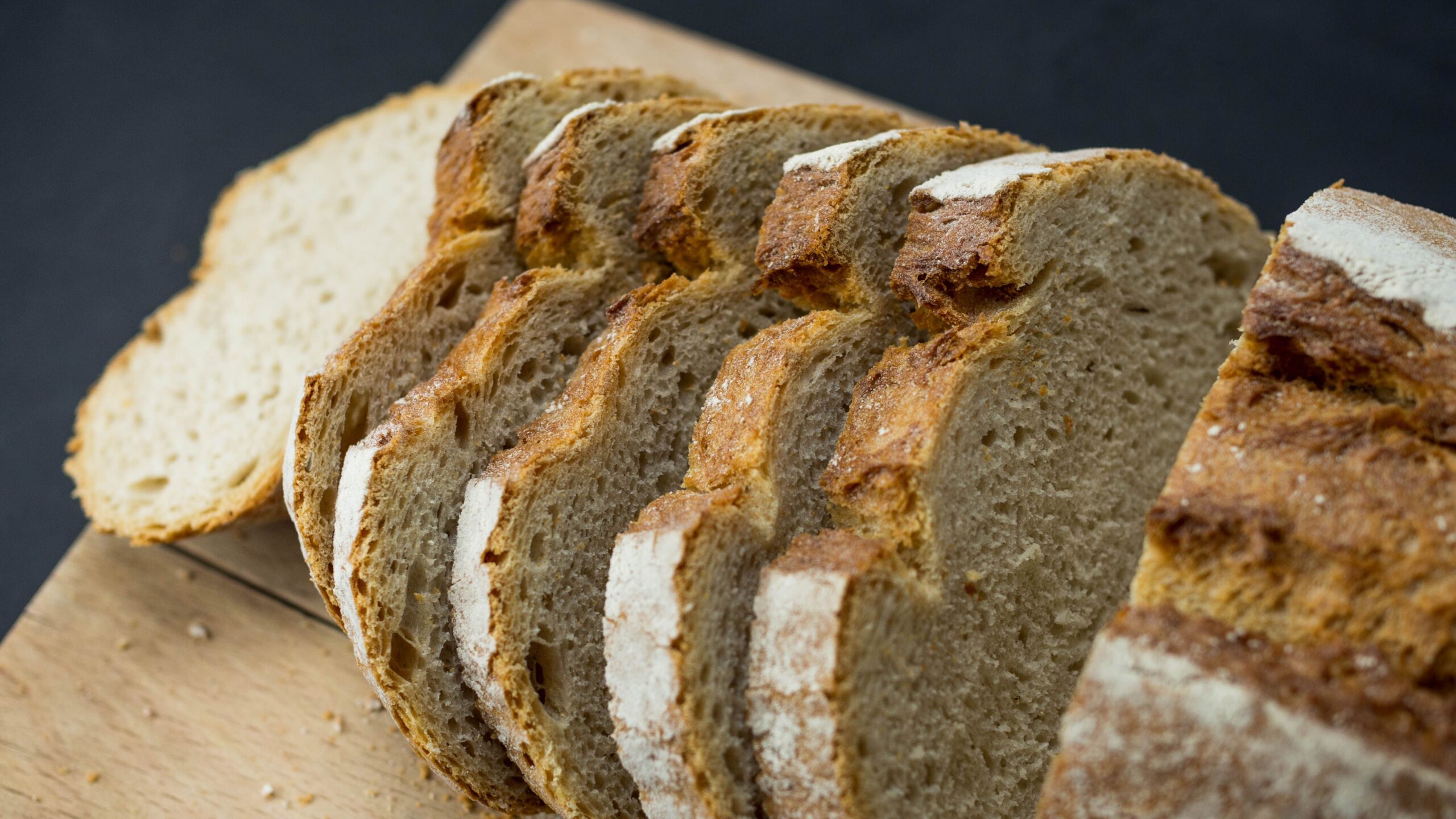
This approach develops flavor naturally while producing bread that is strong enough for professional kitchen use. The result is a loaf with character—an open crumb, a golden crust, and the ability to hold up to sauces, fillings, and grilling.
For chefs and kitchen teams, that reliability makes daily prep easier and ensures every plate meets the same standard.
Baked Overnight for Maximum Freshness
Timing plays an important role in restaurant operations. Bread baked overnight and delivered early in the morning arrives at the kitchen when teams begin their preparation for the day.
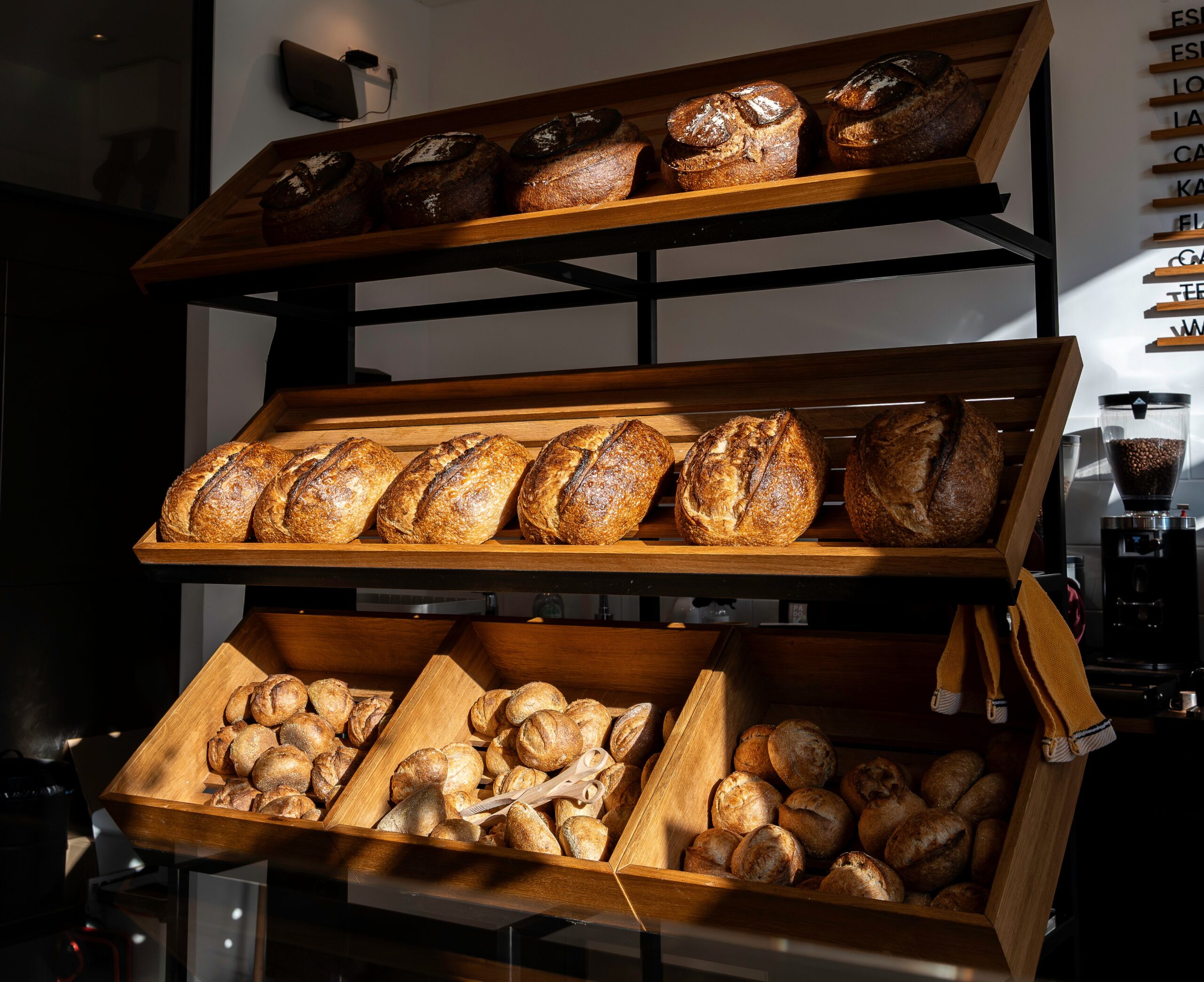
This schedule allows restaurants to start service with loaves and rolls at their peak freshness. The crust maintains its texture, the crumb stays soft and aromatic, and slicing becomes cleaner and more efficient.
Starting the day with fresh bread helps kitchens maintain quality throughout lunch and dinner service.
Consistency Supports Smooth Operations
Restaurants rely on consistency to maintain efficiency. Bread that arrives in uniform sizes and predictable structure simplifies many tasks behind the scenes.
When bread is consistent, kitchen teams can:
Portion sandwiches accurately
Maintain uniform plating
Control food costs more effectively
Train staff more easily
Consistency reduces guesswork and helps restaurants deliver the same experience to every guest.
Bread That Fits a Variety of Menus
Different restaurants require different styles of bread. A versatile bakery catalog helps chefs choose products that suit their menus and service style.
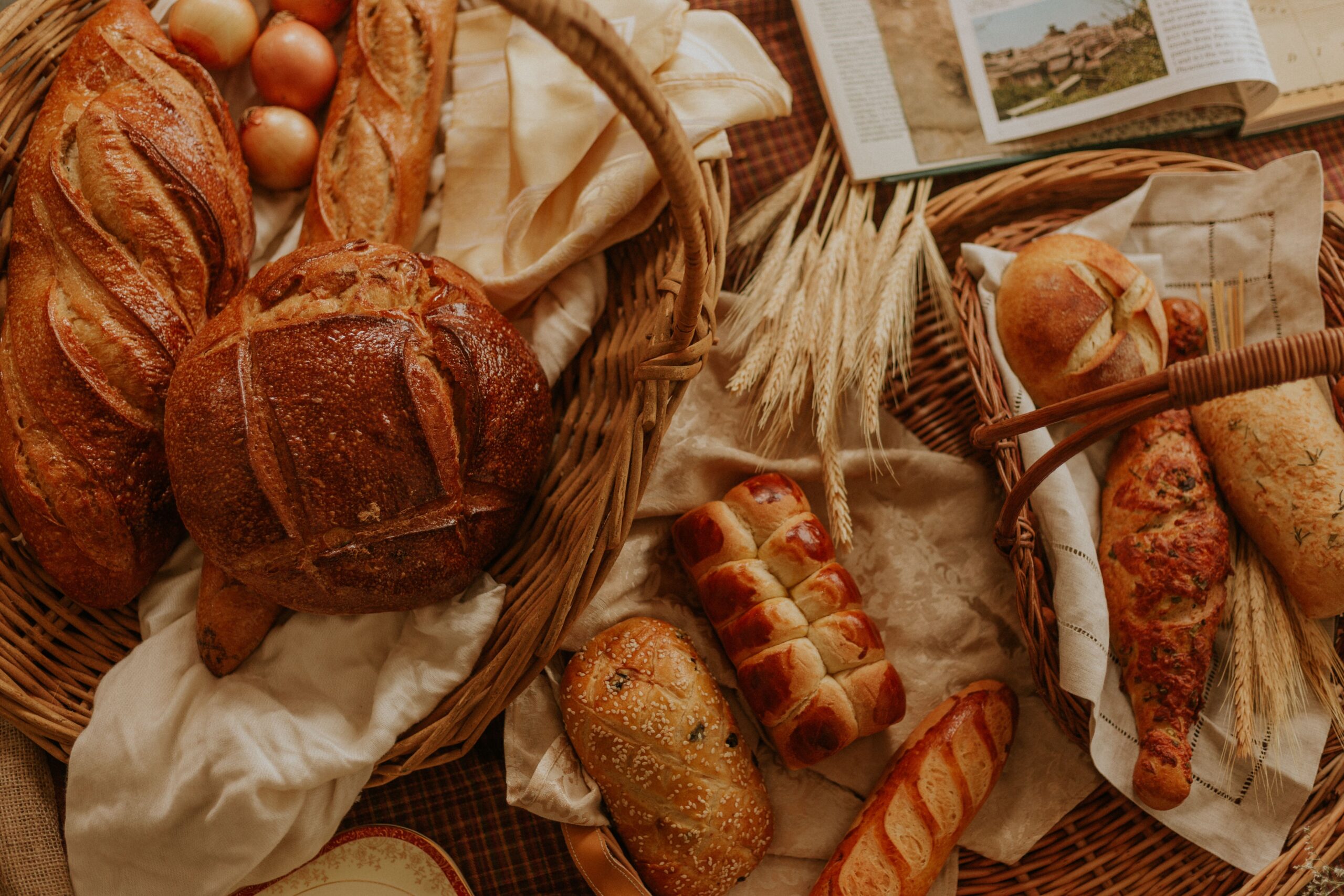
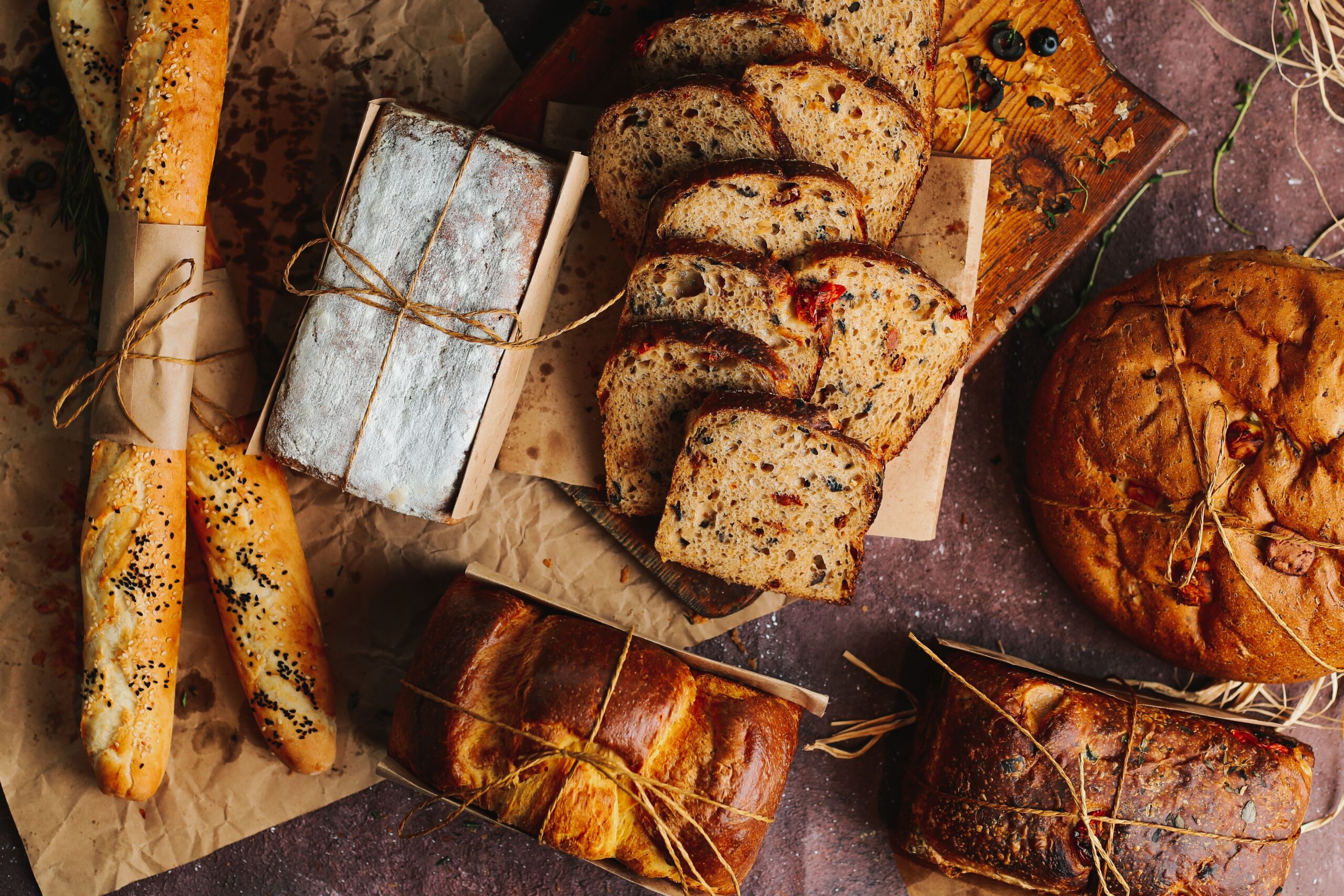
Rustic Italian loaves work well for table bread and hearty sandwiches. Ciabatta offers an airy texture that performs beautifully in panini and pressed builds. Baguettes bring a crisp exterior that complements soups and specialty sandwiches. Rolls and buns provide dependable options for burgers, sliders, and breakfast items.
With the right selection, restaurants can match the character of their bread to the style of their cuisine.
Supporting Restaurants Across the Tri-State Area
Wholesale bakeries that serve the New York, New Jersey, and Connecticut region play an important role in the food industry. They help restaurants maintain dependable supply while focusing on the craftsmanship of traditional baking.
For many kitchens, a reliable bakery partner means more than a daily delivery. It represents a long-term collaboration built on quality, communication, and trust.
When restaurants know their bread will arrive fresh and consistent every morning, they can focus on creating memorable meals for their guests.
A Simple Ingredient with a Lasting Impact
Bread may appear simple, but its influence is significant. It shapes first impressions, supports menu items, and contributes to the overall dining experience. When crafted with care and delivered reliably, bread becomes a quiet but powerful part of a restaurant’s success.
For food businesses across the Tri-State area, investing in high-quality artisan bread is a straightforward way to strengthen operations and enhance every dish that leaves the kitchen.
What Makes a Great Wholesale Bread Program in NYC Restaurants
In New York, restaurants don’t get second chances with consistency. Guests return when the experience is dependable—same quality, same flavor, same satisfaction. While menus often spotlight proteins, sauces, and seasonal specials, one ingredient quietly influences more dishes than almost anything else.
Bread.
A strong wholesale bread program isn’t just about “having bread.” It’s about choosing bread that performs in a professional kitchen, supports your brand, and arrives fresh when your team needs it. Here’s what separates an average bread setup from one that strengthens service every day.
1) Bread Must Perform Under Pressure
Restaurant bread has a job to do. It needs to handle:
Sauces and spreads without turning soggy
Heat from grills, presses, and toasters
Stacked ingredients in sandwiches and breakfast builds
Packaging and delivery without collapsing
Flavor matters—but structure matters just as much. Great wholesale bread holds its integrity through prep, service, and takeout.
2) Consistency Protects Your Food Cost
Inconsistent bread creates invisible waste. A roll that’s smaller than usual changes portion balance. A loaf that slices unevenly slows prep and increases trim loss. A bun that varies in softness affects the final bite.
Consistency helps restaurants:
Portion accurately
Standardize builds across shifts
Reduce waste and remakes
Train staff faster
When bread is predictable, your operation becomes smoother and more profitable.
3) Freshness Has to Match Service Timing
Many restaurants don’t need “fresh bread at some point today.” They need it fresh before prep starts.
An overnight bake schedule paired with early-morning delivery supports the rhythm of real kitchens. Bread arrives when teams are setting up stations, prepping sandwiches, and building mise en place—so service begins with product at its peak.
Freshness shows up in the details:
Better crust texture
Cleaner slicing
Stronger aroma
Improved toast and grill performance
Guests notice it, even when they don’t mention it.
4) The Right Bread Mix Simplifies Operations
Some menus try to carry too many bread types, which can create inventory headaches and inconsistent execution. A smarter approach is choosing a small, high-performing mix that covers most needs.
A strong bread lineup usually includes:
A rustic loaf for table service and slicing
A structured sandwich bread for high-volume builds
A roll or bun option for burgers and grab-and-go menus
A specialty bread for premium offerings or catering
This approach keeps ordering clean while still giving your menu range.
5) Bread Should Increase Perceived Value
In NYC, diners have endless choices. What they remember is the quality they can feel.
Great bread upgrades perception instantly:
A sandwich feels more substantial
A simple soup pairing feels more complete
A bread basket feels intentional, not generic
A catering tray looks more premium
Better bread helps justify pricing without increasing portion size or adding extra labor.
6) A Wholesale Supplier Should Be a Partner, Not a Guessing Game
Restaurants run better when suppliers communicate clearly and respond quickly. The strongest wholesale bread programs are supported by suppliers who understand kitchen realities: lead times, volume changes, prep schedules, and service windows.
A reliable partner helps with:
Standing orders that match your weekly rhythm
Clear cutoffs and predictable delivery routines
Sample requests for menu testing
Simple adjustments when volume changes
When the supplier is dependable, bread becomes one less thing to worry about.
The Bottom Line
Bread is one of the easiest ways to strengthen a menu without adding complexity. It touches breakfast, lunch, dinner, catering, and table service—often all in the same day.
A great wholesale bread program is built on three things:
Freshness, consistency, and performance.
When those are right, everything built on the bread becomes better too—your sandwiches, your plating, your guest experience, and your reputation.