

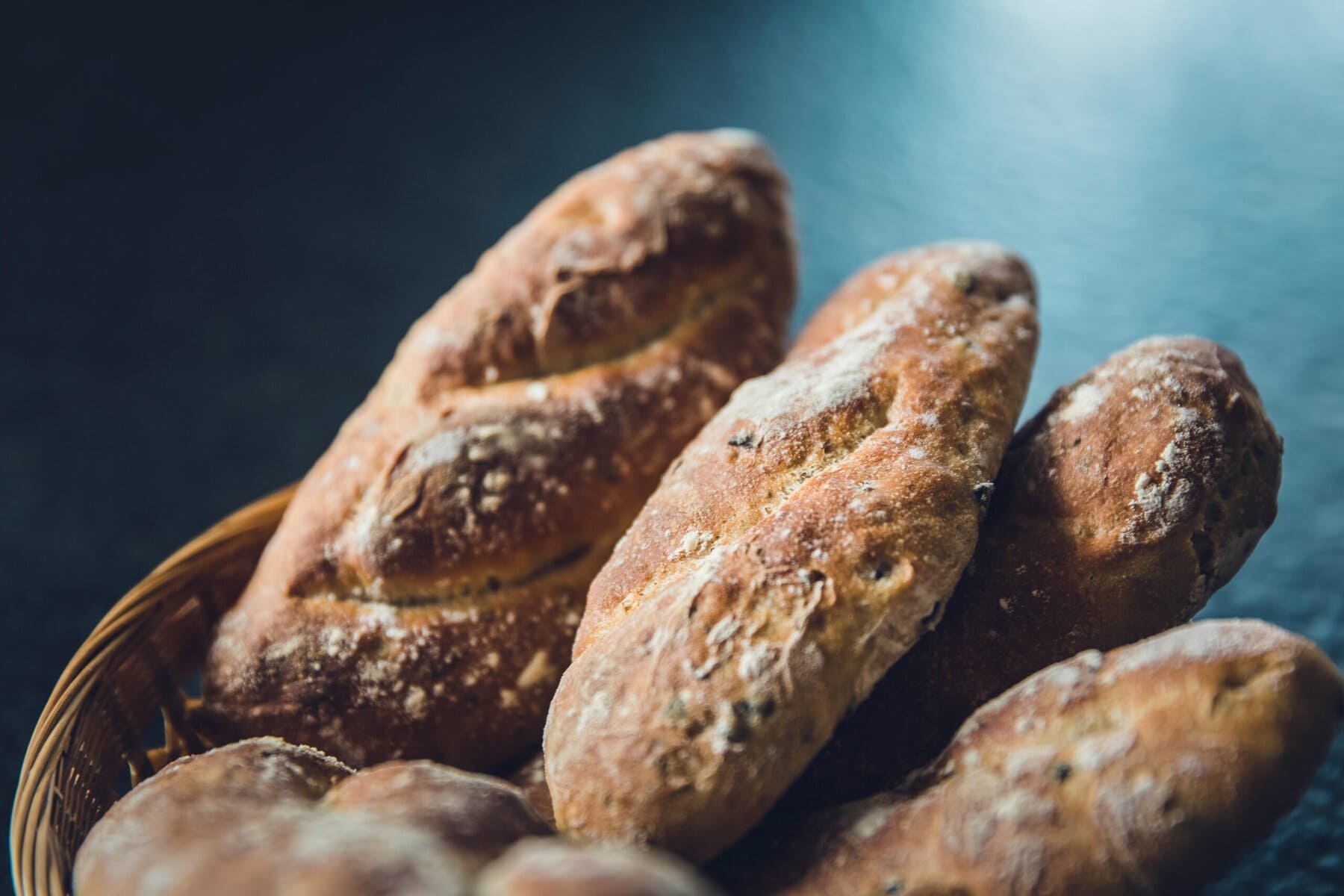
Why Consistent Bread Quality Matters in Every Restaurant Shift
In the restaurant business, consistency is everything. Guests may come in for a favorite sandwich, a reliable breakfast, or a meal they know they can count on. What keeps them coming back is the confidence that the experience will feel just as good the next time.
Bread plays a bigger role in that consistency than many people realize.
It may be served as table bread, used for sandwiches, paired with soups, or built into breakfast and lunch menus. Because it appears in so many parts of service, even small changes in bread quality can affect the entire guest experience.
Bread Impacts More Than One Menu Item
Many ingredients serve one purpose. Bread serves many.
It can shape:
First impressions at the table
Texture in sandwiches and burgers
Portion balance in plated dishes
Presentation in catering trays
Overall perception of freshness and quality
When bread is consistent, all of these areas feel stronger. When it is inconsistent, the problems can appear across multiple parts of the menu at once.
The Guest Notices the Difference
Guests may not always say, “The bread was excellent,” but they notice when it feels fresh, balanced, and well made.
They notice:
A crust that has the right bite
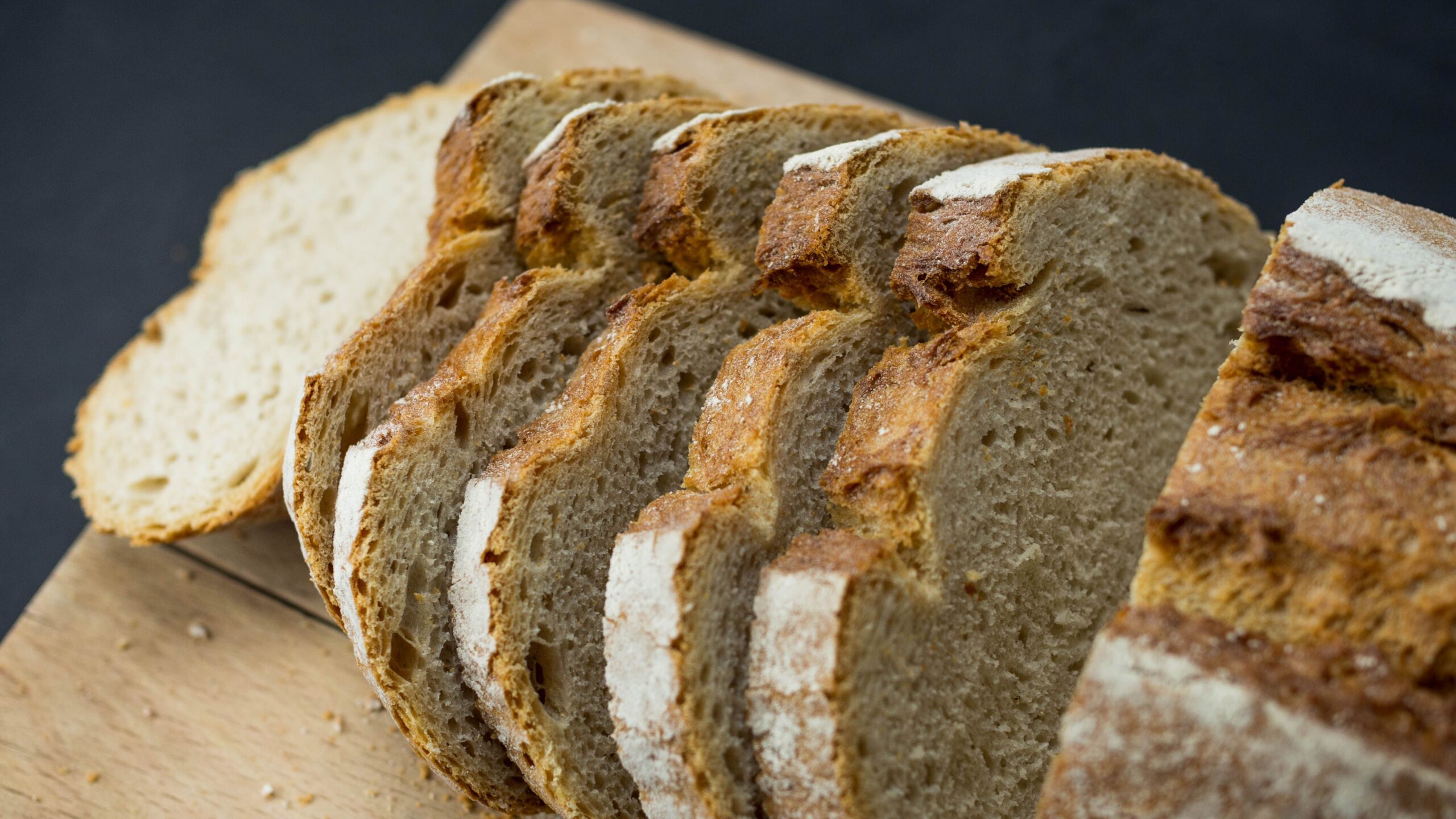
A crumb that feels soft and airy
A roll that holds the sandwich together
A loaf that feels fresh instead of dry
These details influence how the meal feels as a whole. Even when the bread is not the star of the plate, it helps define the experience.
Consistency Supports the Kitchen Too
Reliable bread quality does more than improve guest satisfaction. It also helps the kitchen operate more smoothly.
When bread arrives with dependable size, texture, and structure, teams can work faster and with more confidence.
Consistent bread helps with:
Cleaner slicing during prep
More accurate portion control
Uniform sandwich builds
Better control of waste
More predictable grilling and toasting
In busy service, those details save time and reduce frustration.
Better Bread Strengthens Brand Identity
Restaurants build trust through repetition. When guests have a good experience again and again, they begin to associate the business with quality.
Bread becomes part of that identity.
A restaurant known for strong sandwiches, thoughtful table service, or polished catering often depends on dependable bread behind the scenes. It may not always be the first thing guests talk about, but it contributes to what they remember.
Freshness and Structure Go Hand in Hand
Quality bread is not only about flavor. It is also about performance.
In restaurant service, bread needs to:
Hold up to fillings and sauces
Maintain texture during service
Toast evenly
Present well on the plate
Stay consistent from shift to shift
Freshness matters, but structure matters too. The best bread programs support both.
Small Improvements Create a Bigger Effect
Restaurants do not always need major menu changes to improve the guest experience. Sometimes the most effective upgrade is improving a foundational item that touches many dishes every day.
Bread is one of those items.
A better loaf, roll, or bun can make sandwiches feel more premium, table service feel more thoughtful, and the entire menu feel more polished.
A Strong Shift Starts with Reliable Basics
Every successful restaurant shift depends on preparation. Staff must be ready, stations must be stocked, and ingredients must perform the way the team expects.
Bread is one of those essential basics that should never create uncertainty.
When bread quality stays consistent, it helps support smoother service, better presentation, and a more dependable guest experience from open to close.
In a competitive market, those small operational advantages matter.
And often, they begin with the bread.