

How to Choose the Right Bread for Your Restaurant Concept
Not every restaurant needs the same bread. That sounds obvious until you are standing in front of a wholesale catalog trying to decide whether your burger concept needs a brioche-style bun or a classic kaiser, or whether your Italian trattoria is better served by a Pugliese loaf or a simple baguette at the table.
Bread is one of those decisions that gets made once — and then quietly shapes the guest experience every single day. Get it right and it disappears into the meal the way a good ingredient should, supporting every dish without drawing the wrong kind of attention. Get it wrong and the problems are harder to ignore: sandwiches that fall apart under pressure, table bread that goes stale before the entrée arrives, rolls that look mismatched with the rest of the plate.
This guide is for operators who want to think through that decision carefully. It is built around the kinds of questions that come up when kitchens work with Il Forno Bakery NYC — a wholesale bread supplier serving restaurants, delis, cafés, and food businesses across New York, New Jersey, and Connecticut since 2005.
Start with the Format, Not the Bread
The most common mistake in bread selection is starting with a loaf and working backward to justify it. A better approach is to start with how your restaurant actually functions.
A high-volume sandwich shop in Midtown has completely different bread needs than a neighborhood Italian restaurant in Westchester. The sandwich shop needs a roll that holds up under fillings, resists soaking through, and can be prepped quickly during a rush. The Italian restaurant needs a loaf that looks right on a linen-covered table, slices cleanly, and complements a plate of pasta without competing with it.
Neither bread is better in the abstract. Both are right for their context and wrong for the other’s.
Before evaluating any product, answer three questions. What role does bread play in your service — is it a vehicle, a side, or a feature? How much volume do you move per shift? And how much time does your prep team have to handle it before service begins? The answers will eliminate more options than any catalog ever could.
Table Bread: The First Impression That Sets the Standard
For restaurants where bread arrives at the table before the meal, the loaf is doing real work before a single dish has been ordered. It communicates something about the kitchen’s standards, and guests form an opinion within the first bite.
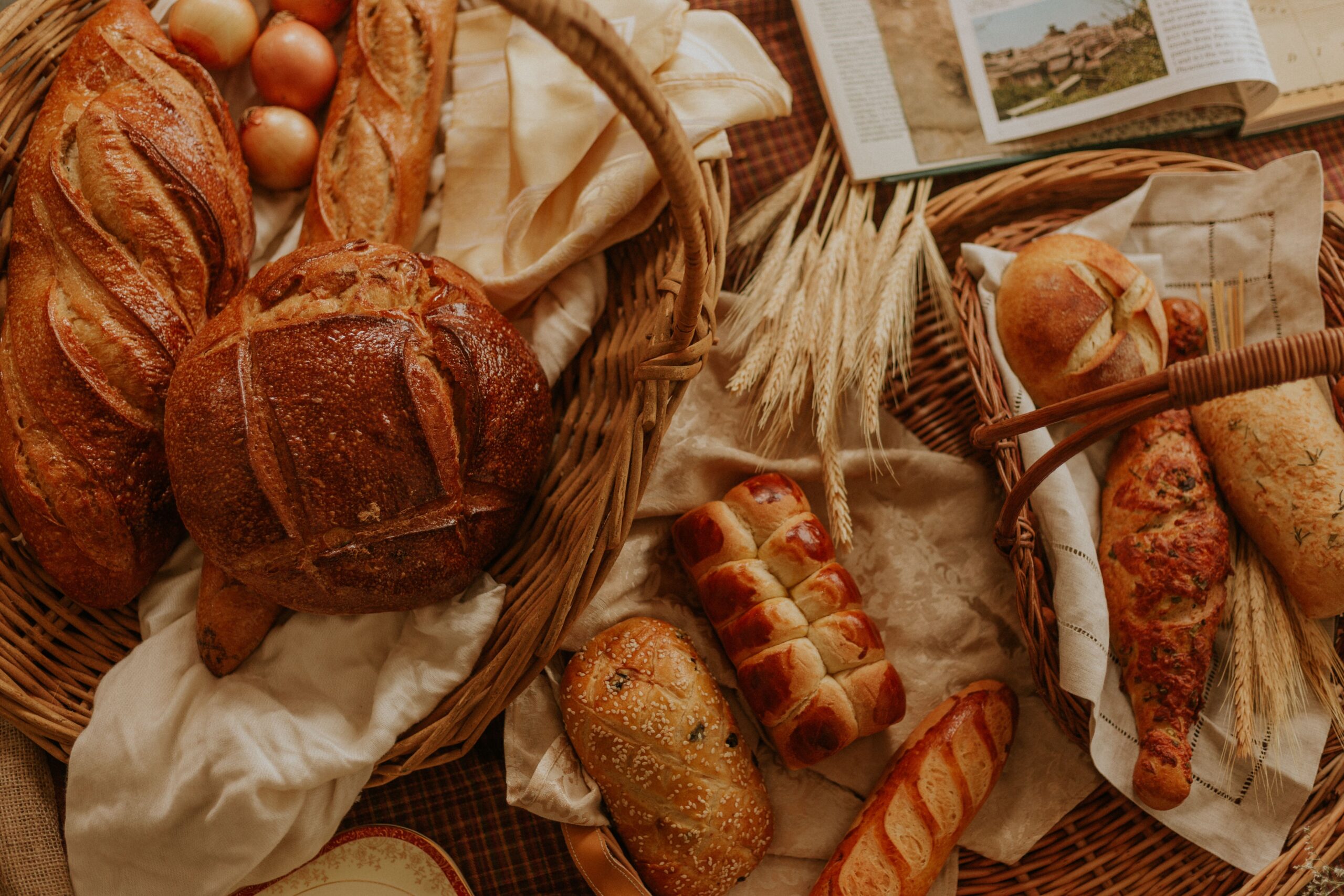
Structure and crust matter more than most operators realize. A loaf that goes soft in the bread basket within twenty minutes creates a poor impression, no matter how well it baked that morning. You want something with enough crust integrity to stay appealing through a multi-course meal — a rustic round, a Pugliese, or a baguette all perform well here, depending on the style of the restaurant.
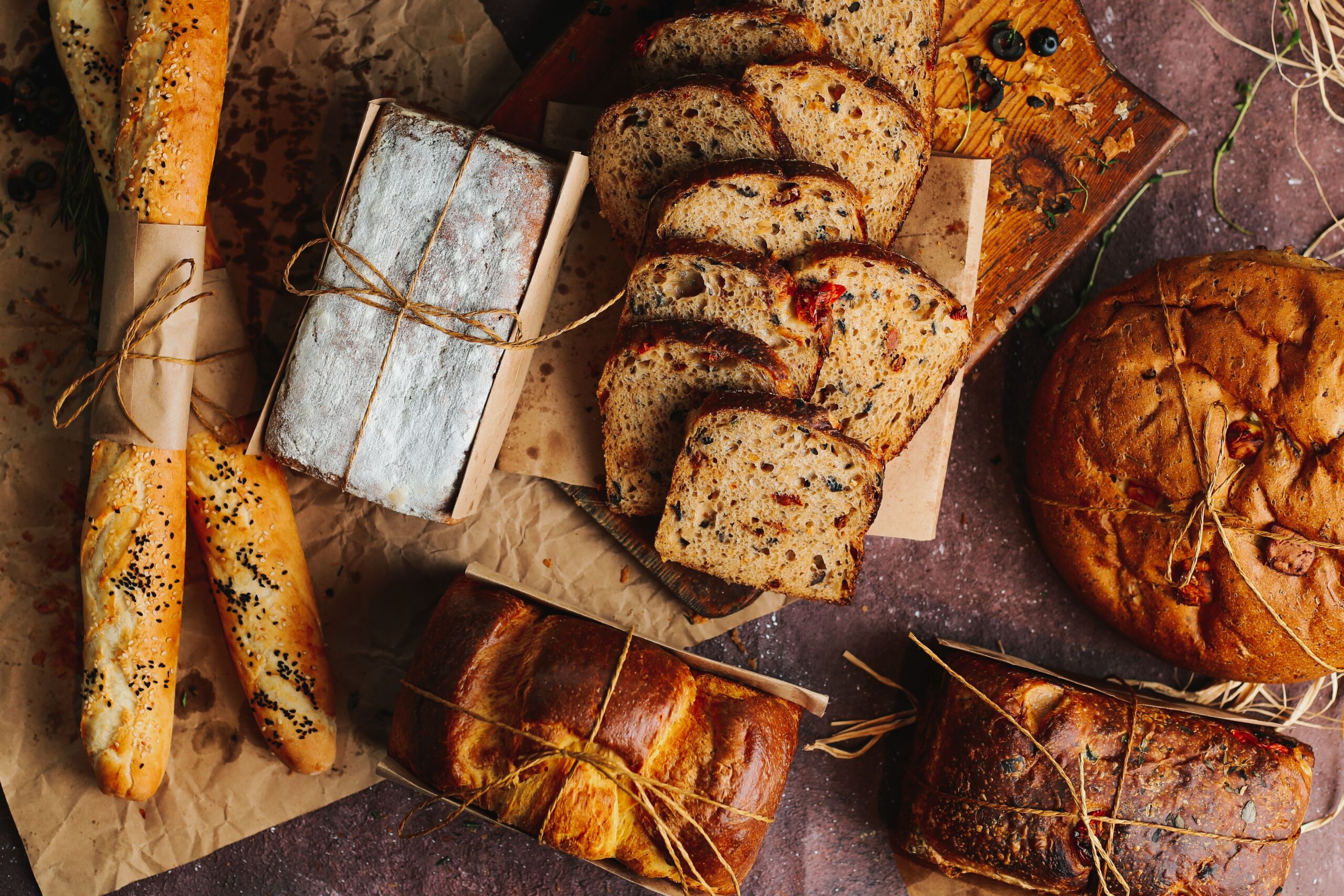
The Pugliese, with its thin crust and open crumb, is a natural fit for Italian concepts and Mediterranean menus. It tears cleanly, holds olive oil well, and feels at home next to a burrata or antipasto plate. A rustic round offers a slightly more neutral profile and works across European and American dining styles. Baguettes bring a familiar elegance and portion naturally into even slices, which helps with both presentation and cost control.
The key with table bread is predictability. Guests who come back twice a week expect the same experience both times. That means your supplier needs to deliver product that behaves identically from one delivery to the next.
Sandwich Concepts: Where Structure Is Everything
For sandwich-focused operations — delis, fast-casual concepts, lunch counters, grab-and-go programs — the bread is the structural center of the product. Everything else is filling. If the bread fails, the sandwich fails, regardless of what is inside it.
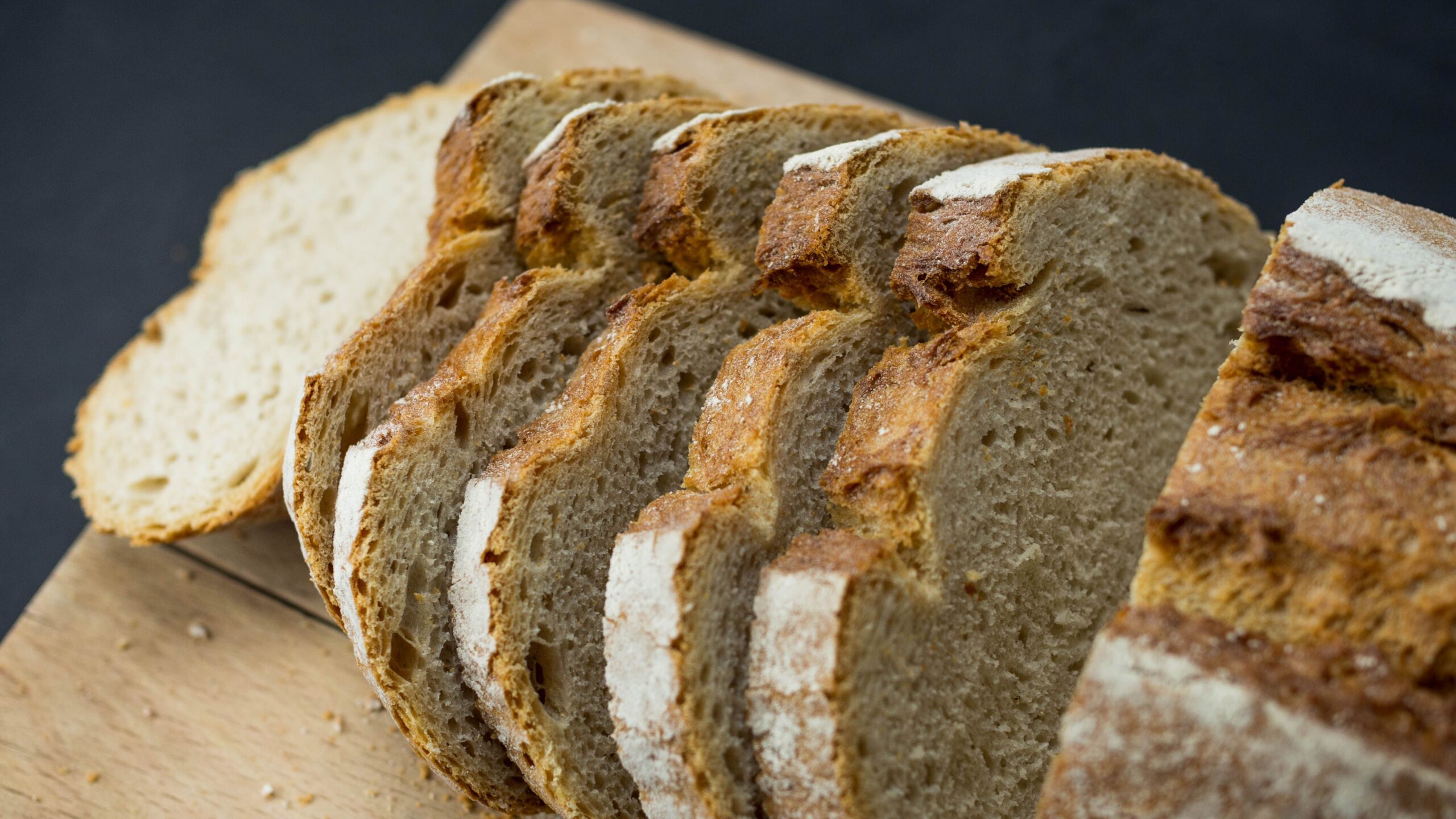
The main things to evaluate are compression resistance, crust behavior, and slice integrity. Compression resistance matters when bread goes through a press or gets stacked heavily — it should push back without turning gummy. Crust behavior affects how the sandwich feels to eat and whether it holds together in a wrapper or bag. Slice integrity determines how cleanly prep staff can work through a rush.
Ciabatta is one of the most versatile choices for this format. Its airy interior gives fillings room to settle, the crust has enough structure to survive a press, and it handles both cold and hot preparations well. For operations that press or toast their sandwiches, ciabatta is frequently the right answer.
Focaccia brings a different profile — softer, more flavorful, better suited to cold builds and catering presentations than hot pressed service. It works exceptionally well for upscale sandwich programs and corporate catering where presentation carries weight alongside flavor.
Rolls and buns cover the high-volume end of the spectrum, where speed and consistency matter most. A well-made roll cuts cleanly, holds its shape in a bag, and gives line staff a reliable foundation to work from during a rush.
Burger Programs: The Case for Getting the Bun Right
The burger bun is one of the most underrated decisions in a restaurant’s bread program. It is also one of the most visible — a bun that does not match the quality of the patty and toppings sends a signal that something is slightly off, even if a guest cannot articulate why.
The main considerations are moisture management and structural integrity. A bun needs to absorb some moisture from sauces and proteins without collapsing. It needs to hold together through the last bite, not just the first. And it needs a bottom crust firm enough to stay intact on the plate.
Beyond the practical requirements, the bun should match the restaurant’s positioning. A casual American concept can lean on a classic bun with a tight crumb and clean flavor. A more elevated burger program might want something with more crust character and a slightly richer crumb — closer to the artisan end of the spectrum.
What matters most is that the bun is consistent. In a burger-focused concept, the bread is the frame around a product that guests order multiple times. It needs to look and perform the same way every time it leaves the kitchen.
Catering and High-Volume Formats
Catering operations have bread needs that differ in one critical way from restaurant service: the bread often has to perform well after sitting for an extended period. A loaf served at a dinner table twenty minutes after arrival is a different challenge than bread that needs to hold up through a two-hour catering event.
For catering programs, focaccia is frequently the strongest choice. Baked as a sheet, it portions easily, holds its texture longer than many other options, and presents well on trays. It also absorbs flavors without becoming soggy, which matters when sitting alongside sauced proteins or dressed vegetables.
Rustic rounds and baguettes work well for catering platters where a more traditional presentation is appropriate — think bread service alongside cheese, charcuterie, or appetizer stations. They slice cleanly ahead of time, which matters for caterers managing setup under time pressure.
For sandwich-heavy catering menus, rolls are the most practical choice. They allow for pre-building, they portion cleanly, and they travel better than sliced loaves.
How Delivery Timing Affects Your Decision
Even the best bread underperforms if it arrives at the wrong time. For wholesale bread programs, delivery timing is part of the product evaluation — not separate from it.
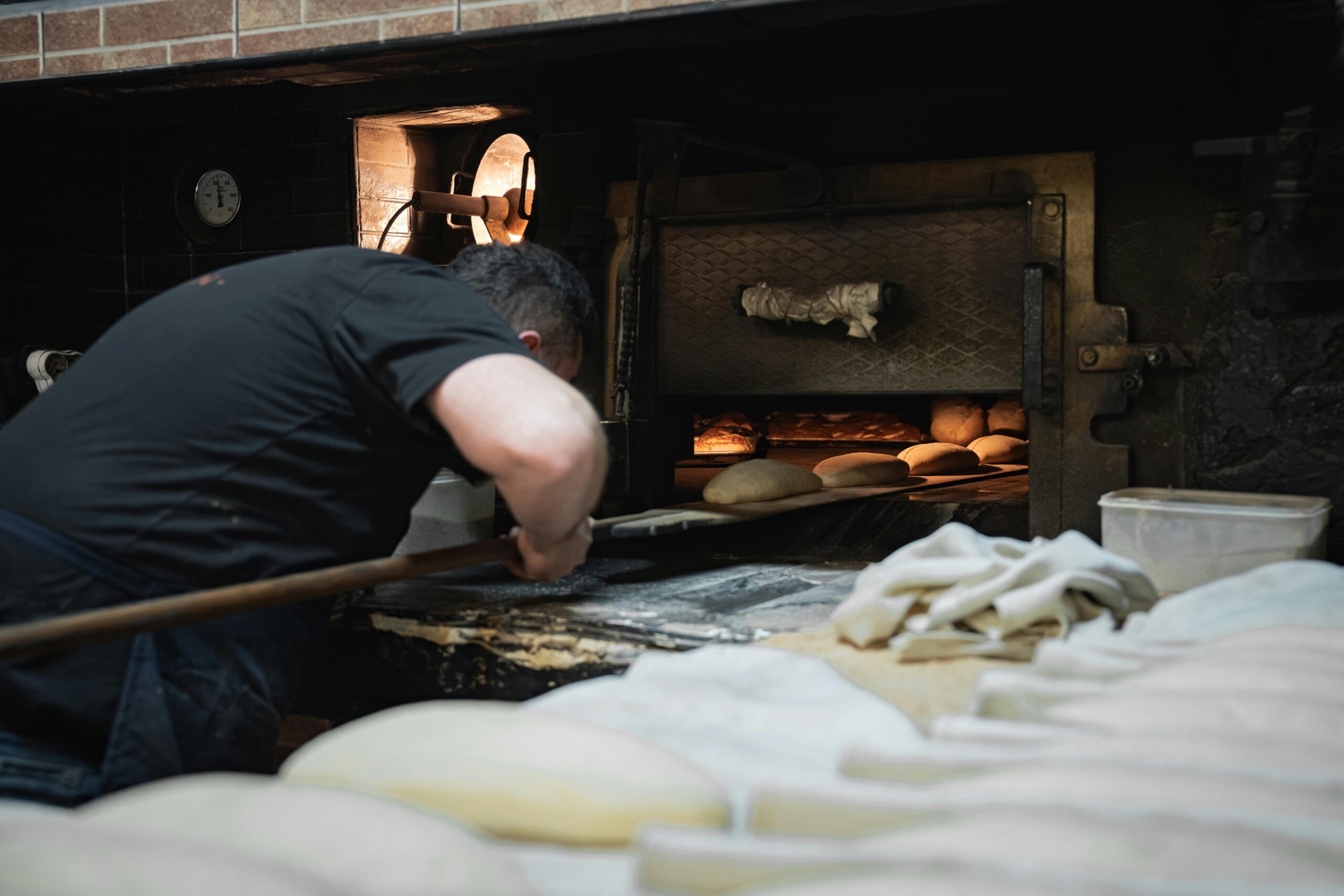
Il Forno Bakery bakes through the night so that deliveries reach kitchens in the early morning, before prep begins. For most restaurant formats, this timing is ideal: bread arrives when staff are setting up, which means it can be properly stored, sliced, and staged without rushing.
If your kitchen runs on a tight prep window, that morning arrival matters as much as the bread itself. Bread that shows up during service creates problems. Bread that arrives before prep allows the team to work with it properly — and that almost always shows up in the final product.
Making the Decision
There is no single correct answer to what bread a restaurant should use. The right choice depends on the format, the volume, the service style, and the standards the kitchen wants to hold itself to.
What holds across every format is this: bread that is made with a proper process, delivered consistently, and suited to its actual use in the kitchen will always outperform bread that was chosen because it was available or convenient.
For restaurants and food businesses in New York, New Jersey, and Connecticut that are working through this decision, Il Forno Bakery NYC offers sample orders and standing programs across its full product range. The team can help match products to kitchen needs and adjust orders as menus and volumes change.
Good bread is not a detail. It is a foundation. And it is worth taking the time to get it right.