

Italian Bread Baking in NYC: The Craft Behind Every Il Forno Loaf
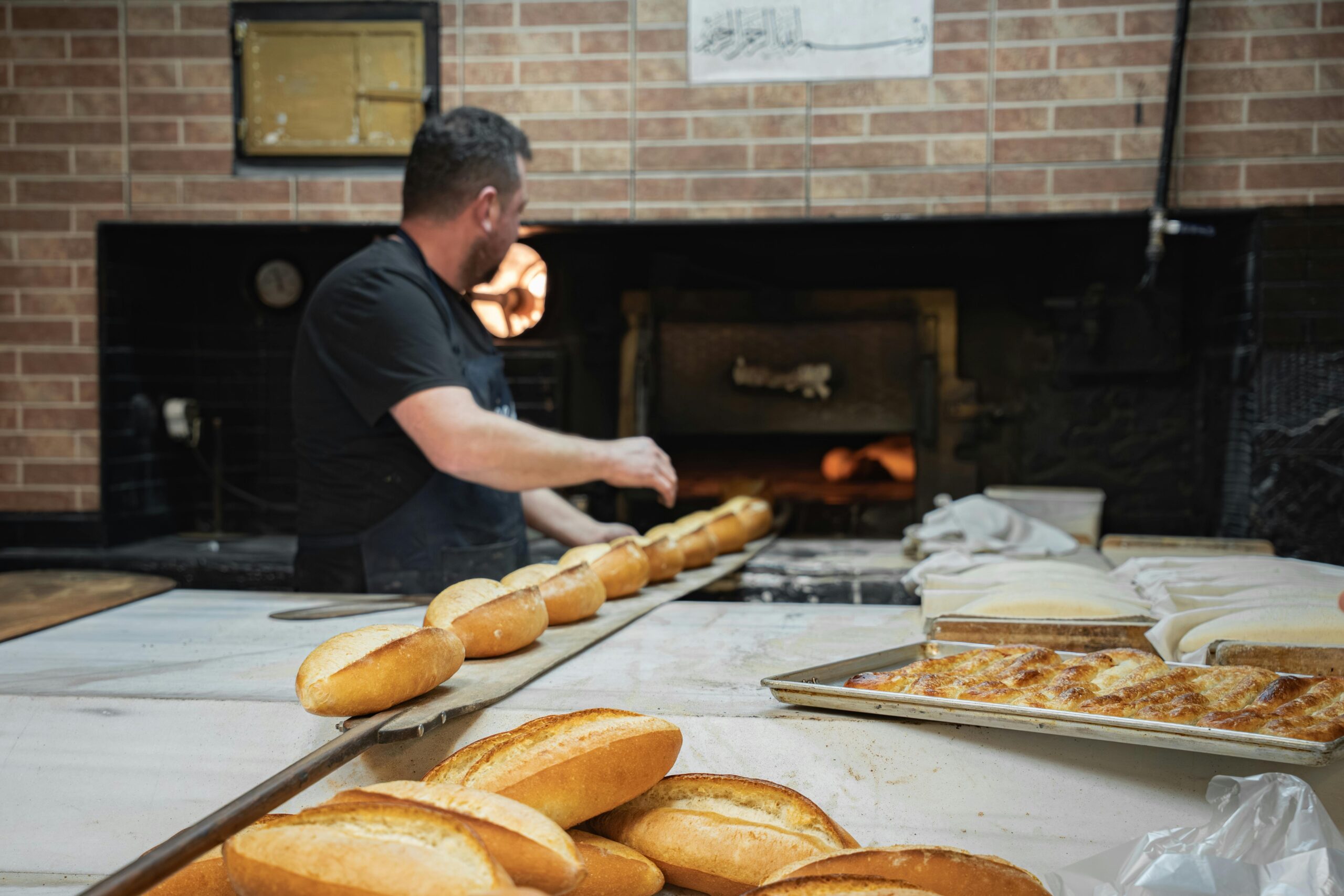
There is a reason the bakery is called Il Forno. In Italian, the word means simply “the oven.” It is one of the oldest words in the language of bread — a reference not to a brand or a style, but to the thing itself. The source of heat. The place where raw dough becomes something worth eating.
That name was not chosen by accident. Since 2005, Il Forno Bakery NYC has built its wholesale bread operation around principles that trace back to Italian baking tradition: long fermentation, stone-deck ovens, hand-formed loaves, and process over shortcuts. The result is bread that professional kitchens across the Tri-State area rely on every morning — not because it is trendy, but because it works.
Understanding where those principles come from helps explain why the bread performs the way it does.
The Italian Baking Tradition, Translated for a Modern Kitchen
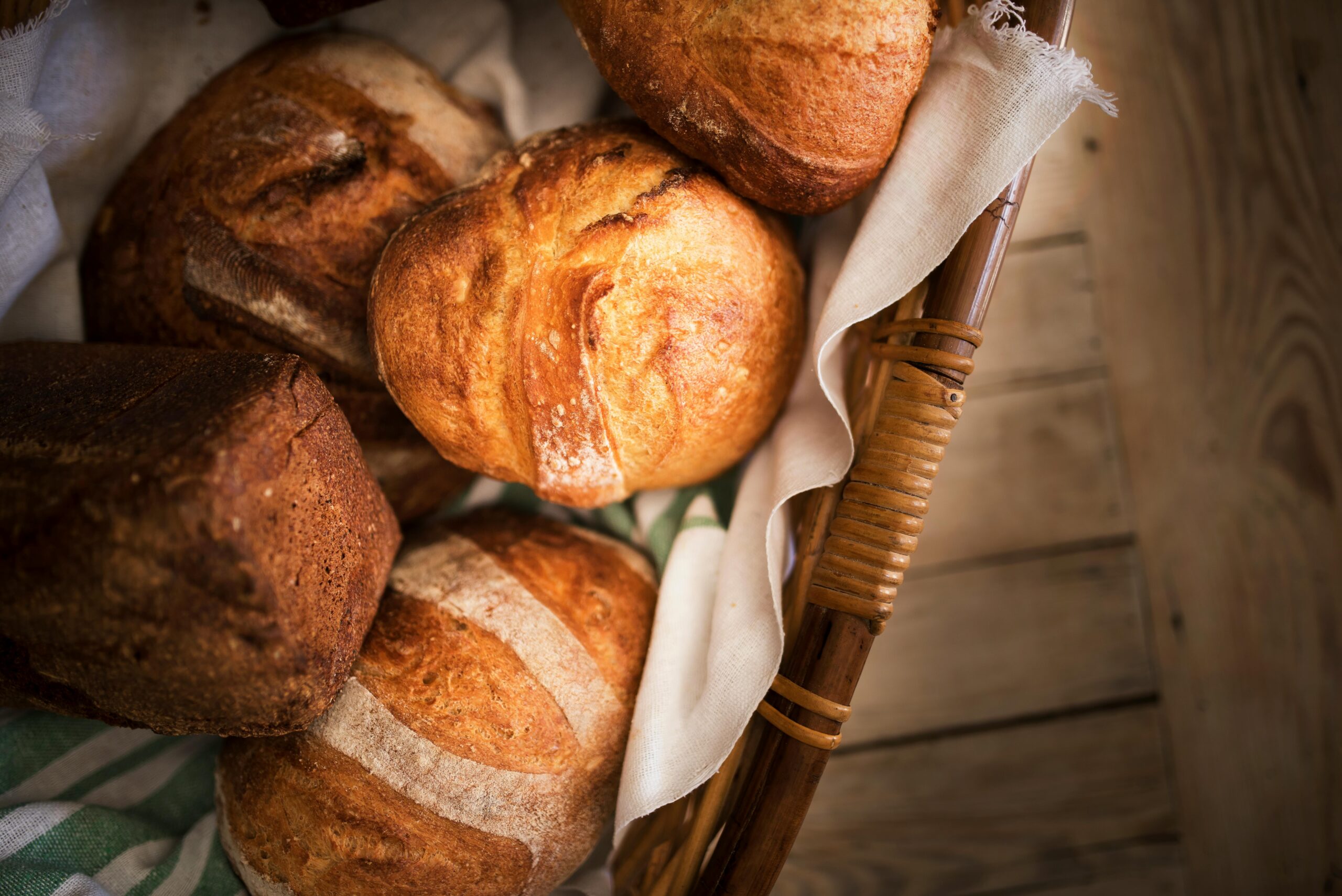
Italian bread culture is regional, specific, and deeply practical. Different parts of Italy have produced different loaves for centuries — not out of preference, but because different breads solved different problems. The Pugliese loaf from Apulia developed its open crumb because the wheat in that region responded best to a long, slow ferment. Ciabatta was formalized in the 1980s as a direct answer to French baguettes — an Italian baker’s take on what a proper sandwich loaf should be.
These breads share one philosophy: use time as an ingredient. Let the dough develop naturally. Build flavor, structure, and crumb the way no additive or shortcut can replicate.
That philosophy is what Il Forno brought to the Bronx. The names on the catalog — Pugliese, ciabatta, focaccia, rustic round, baguette — are not labels. They describe breads made according to the logic that gave them their character in the first place.
Why the Oven Has Always Mattered
In traditional Italian villages, the communal oven was the center of bread production. Families brought their shaped loaves to the village forno. A wood-fired stone floor held heat at a level that home hearths could not reach. The stone radiated heat evenly, drew moisture from the base of the loaf, and produced a crust that no metal surface could match.
That same logic — stone conducting heat directly into the base of the loaf — is behind Il Forno’s stone-deck ovens today. The technology has changed. The principle has not.
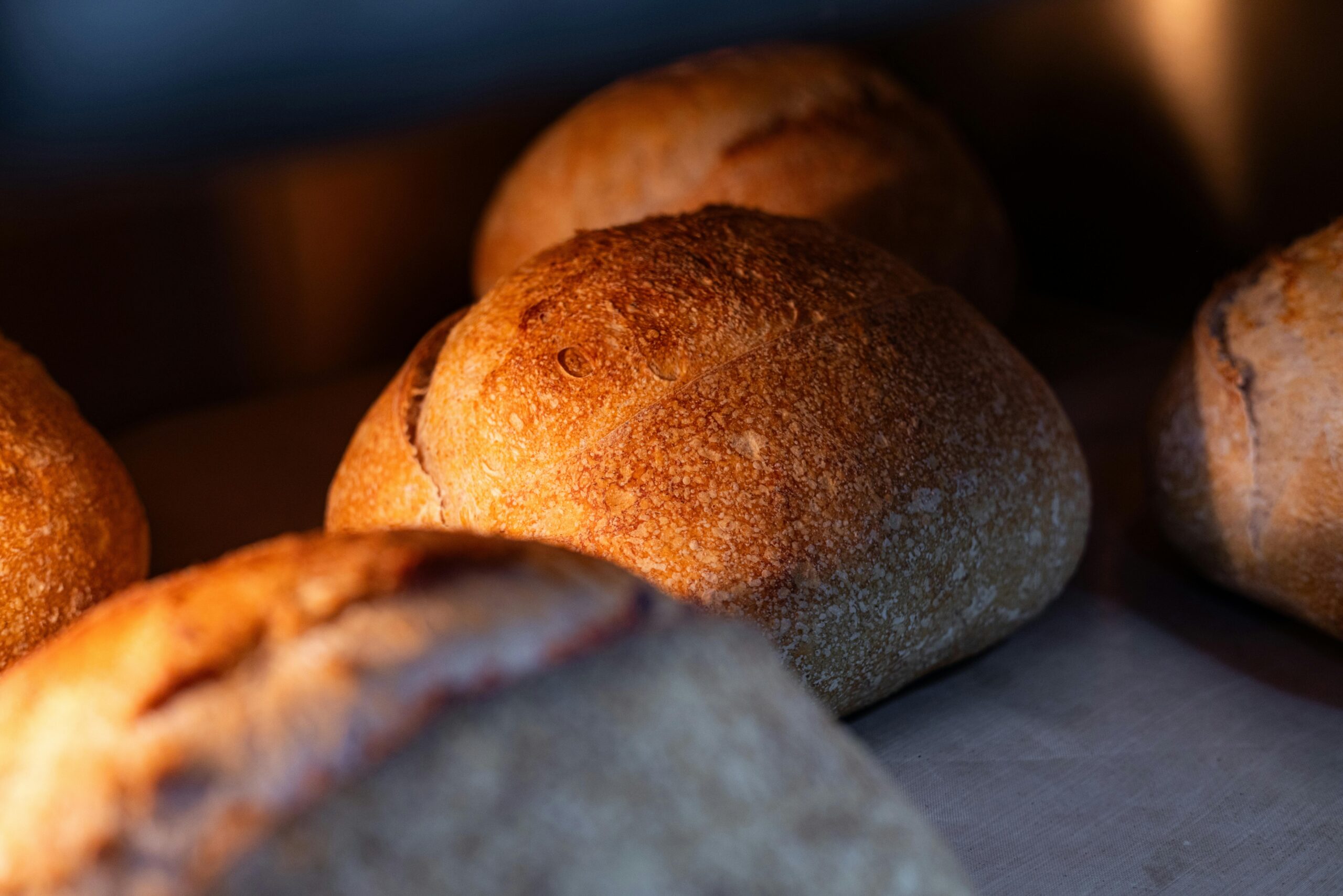
The result is a loaf with a crust that is firm at the base, not just colored on top. When a Pugliese comes off a stone deck, its bottom crust has been set by direct contact with a surface that held temperature for hours. That is different from bread baked in a convection environment, where heat circulates around the loaf but never concentrates beneath it.
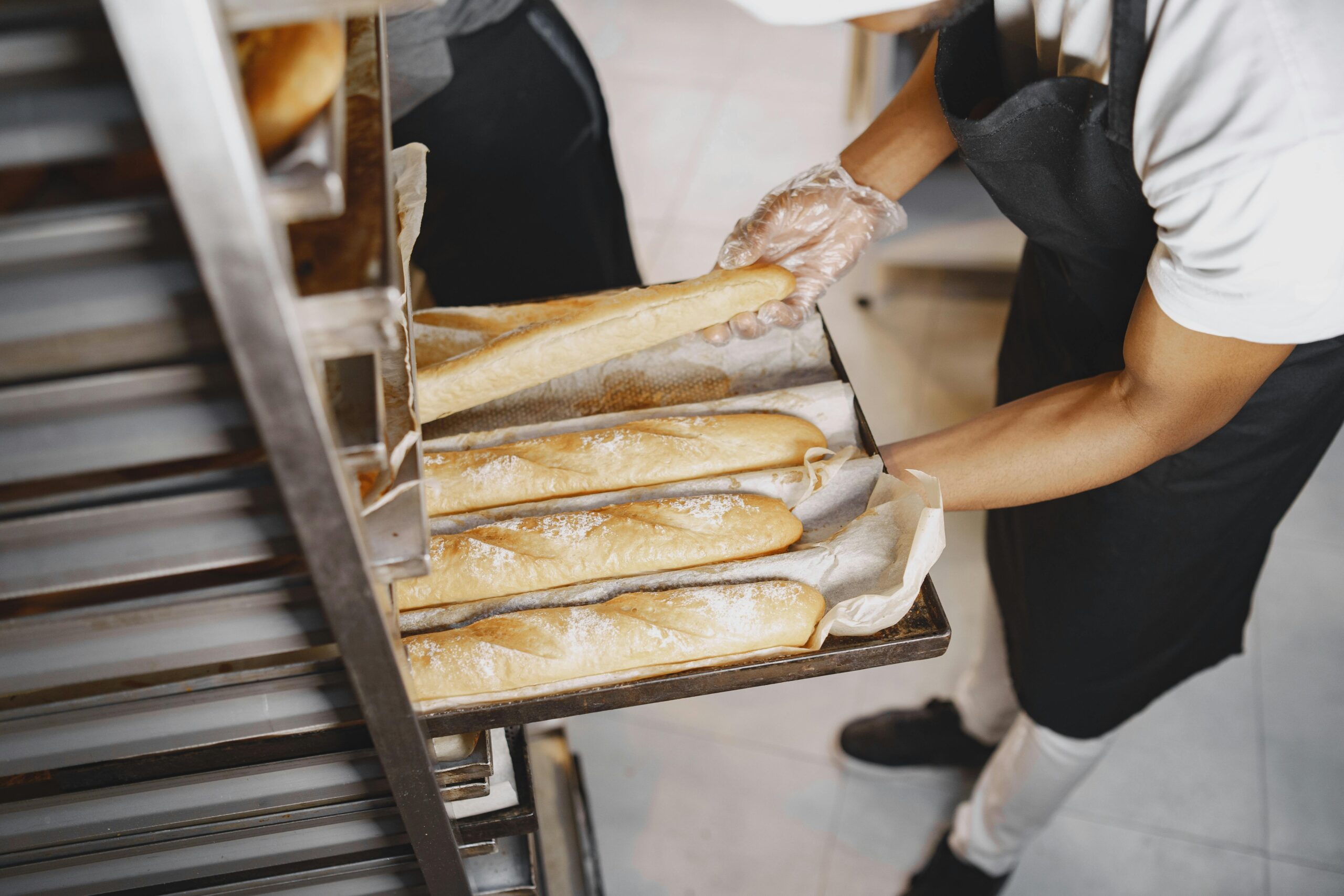
For restaurants, the difference shows up during service. The baguette holds its crust through dinner instead of softening by the second course. The ciabatta survives a panini press without turning gummy. These results come from baking the way Italian bakers always have — with serious attention paid to the surface beneath the bread.
Hand-Forming and What It Actually Changes
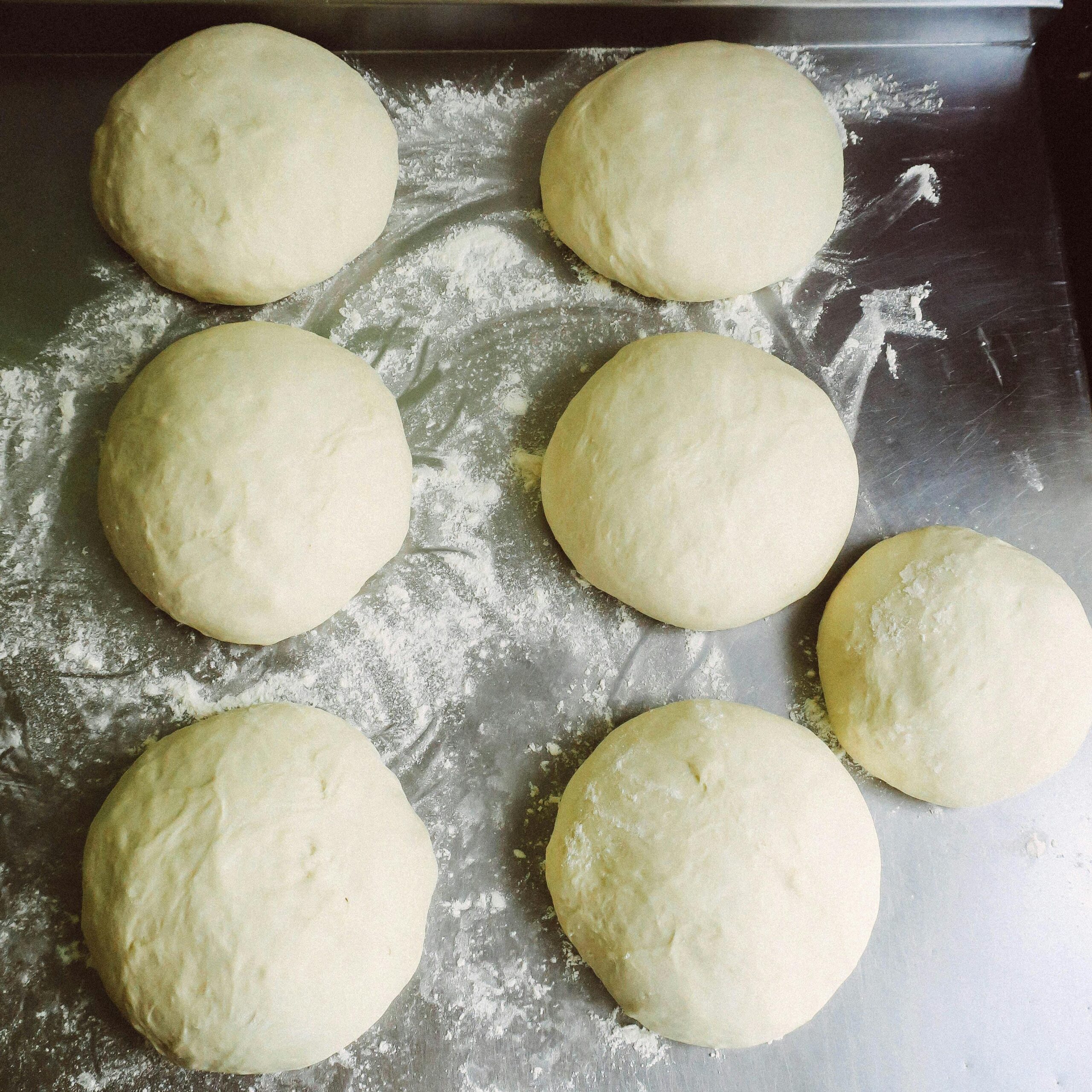
Hand-formed bread has a practical advantage that has nothing to do with tradition. When a baker shapes dough by hand, they can feel what it is doing. Humidity, temperature, and fermentation all affect how dough behaves at the shaping stage. A baker working directly with the dough can adjust in real time. A machine cannot.
This matters most in loaves where structure is critical. An over-proofed Pugliese will not hold its shape through scoring and transfer. A ciabatta without enough gluten development will collapse instead of spring during baking. These problems show up in the loaf — and in the kitchen that receives it — when the process lacks human attention.
Il Forno’s production keeps that attention in place. Loaves are mixed, proofed, and shaped with the kind of oversight that Italian baking has always treated as standard. Not a premium feature. The baseline.
What Old-World Technique Produces in a New York Kitchen
For a restaurant in Manhattan, a café in Westchester, or a deli in New Jersey, the heritage behind a loaf is not a selling point on its own. What matters is how the bread performs during service.
But technique and performance are not separate things. They are the same thing viewed from different angles.
A Pugliese built on long fermentation and baked on a stone deck holds its structure because of those choices. A focaccia that stays consistent across a catering tray does so because the dough was properly developed before it entered the oven. The craft produces the result. The tradition built the craft.
Il Forno Bakery NYC has delivered that kind of bread to professional kitchens across the Tri-State area for two decades. The operation runs through the night. Routes cover New York, New Jersey, and Connecticut. Bread arrives before prep begins — fresh, consistent, and ready for service.
That is what a good forno produces. It always has been.