

Focaccia for Restaurants in NYC: The Most Versatile Bread on Your Menu
Focaccia for restaurants in NYC is not a new idea. It has been on menus in one form or another for decades — as a table bread, a sandwich base, a catering staple, a side. But it is one of those products that most kitchens underuse. They bring it in for one purpose and stop there, without realizing how much range a well-made sheet of focaccia actually has.
At Il Forno Bakery NYC, focaccia is one of the most requested products across the wholesale catalog. The reason is simple: no other bread moves as easily between formats, service styles, and menu positions. Once a kitchen understands what focaccia can do, it tends to find its way onto the menu in more than one place.
What Makes Focaccia Different from Every Other Loaf
Most bread is built around structure. The goal is a crust that holds, a crumb that supports fillings or slices cleanly, and a shape that works for its intended use. Focaccia works differently. Olive oil is not just an ingredient — it is part of the dough’s architecture. It creates a crumb that is soft and open, a bottom crust that is set rather than chewy, and a surface that absorbs flavors without collapsing under them.
The result is a bread that behaves unlike anything else in a kitchen. It holds moisture well, which means it stays consistent longer than most loaves during service. It portions cleanly from a sheet, which means prep is fast and waste is low. And its flavor profile — mild, slightly rich, with the olive oil built in — works alongside almost anything a menu throws at it.
That combination of durability, versatility, and flavor is why professional kitchens keep coming back to it.
Table Service: A Different Kind of First Impression
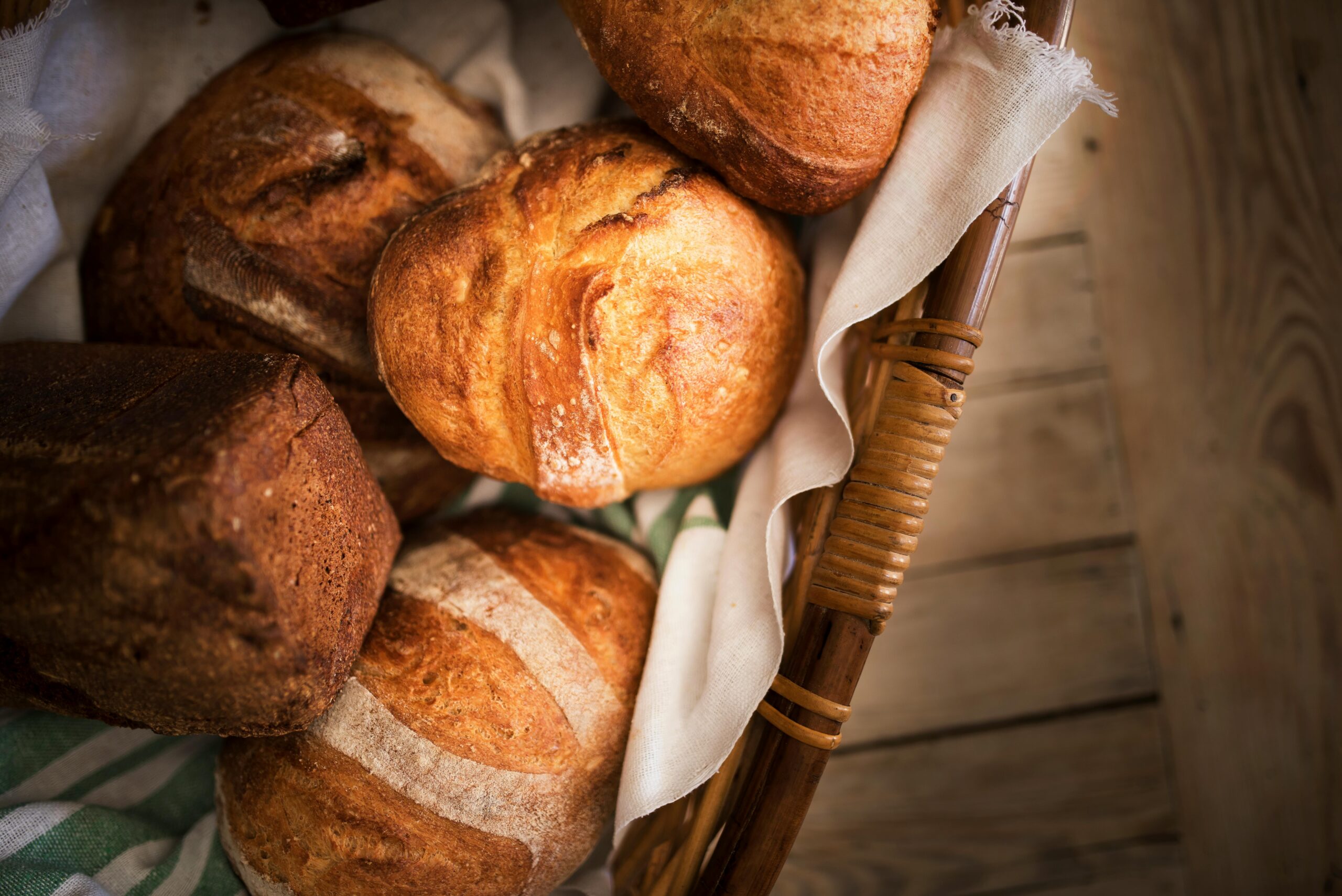
Most restaurants that serve table bread default to a baguette or a rustic loaf. Both are good choices. But focaccia brings something different to the table — literally. A warm slice of focaccia with olive oil and a light seasoning gives guests an experience that feels more intentional than a basket of sliced bread. It signals that the kitchen is paying attention, without adding complexity to the operation.
Focaccia also holds up better during extended table service. A baguette left in a bread basket for twenty minutes goes soft. Focaccia, with its oil-enriched crumb, stays consistent. For restaurants running long tasting menus or slow-paced dinner service, that durability is worth something.
Sandwiches: Where Focaccia Earns Its Place
The sandwich case is where focaccia most clearly outperforms. Its flat, even surface portions predictably. Its crumb absorbs sauces and dressings without going soggy immediately, which matters for prep-ahead operations and grab-and-go programs. And its flavor adds to the sandwich rather than competing with it.
For cold builds — mozzarella, roasted vegetables, cured meats, anything with a Mediterranean lean — focaccia is a natural match. For upscale grab-and-go programs, it elevates the presentation without requiring more labor. A focaccia sandwich looks like a finished product in a way that a standard roll sometimes does not.
For catering programs specifically, focaccia is one of the strongest choices available. It pre-portions cleanly, travels well, and holds its texture on a tray far longer than most other breads. A caterer who switches their sandwich program to focaccia usually does not switch back.
Appetizer Trays and Side Presentations
Beyond table service and sandwiches, focaccia moves into appetizer and side territory with very little adjustment. Cut into smaller portions, it works alongside hummus, whipped ricotta, roasted garlic, or any spread a kitchen wants to feature. Placed on a charcuterie board, it adds substance without visual clutter. Served alongside soup as a side, it soaks without falling apart.
For brunch and breakfast menus, focaccia opens up options that a standard loaf cannot. Topped with eggs, soft cheese, or seasonal vegetables before baking, it becomes a platform rather than just a side. The same product that appears on Friday night’s dinner menu can anchor Saturday morning’s brunch offering without any additional ordering.
Catering: The Format Where Focaccia Wins
No bread handles catering logistics better than focaccia. Events require bread that can be prepped, plated, and left to sit without the quality falling off. Most loaves do not survive that window gracefully. Focaccia does.
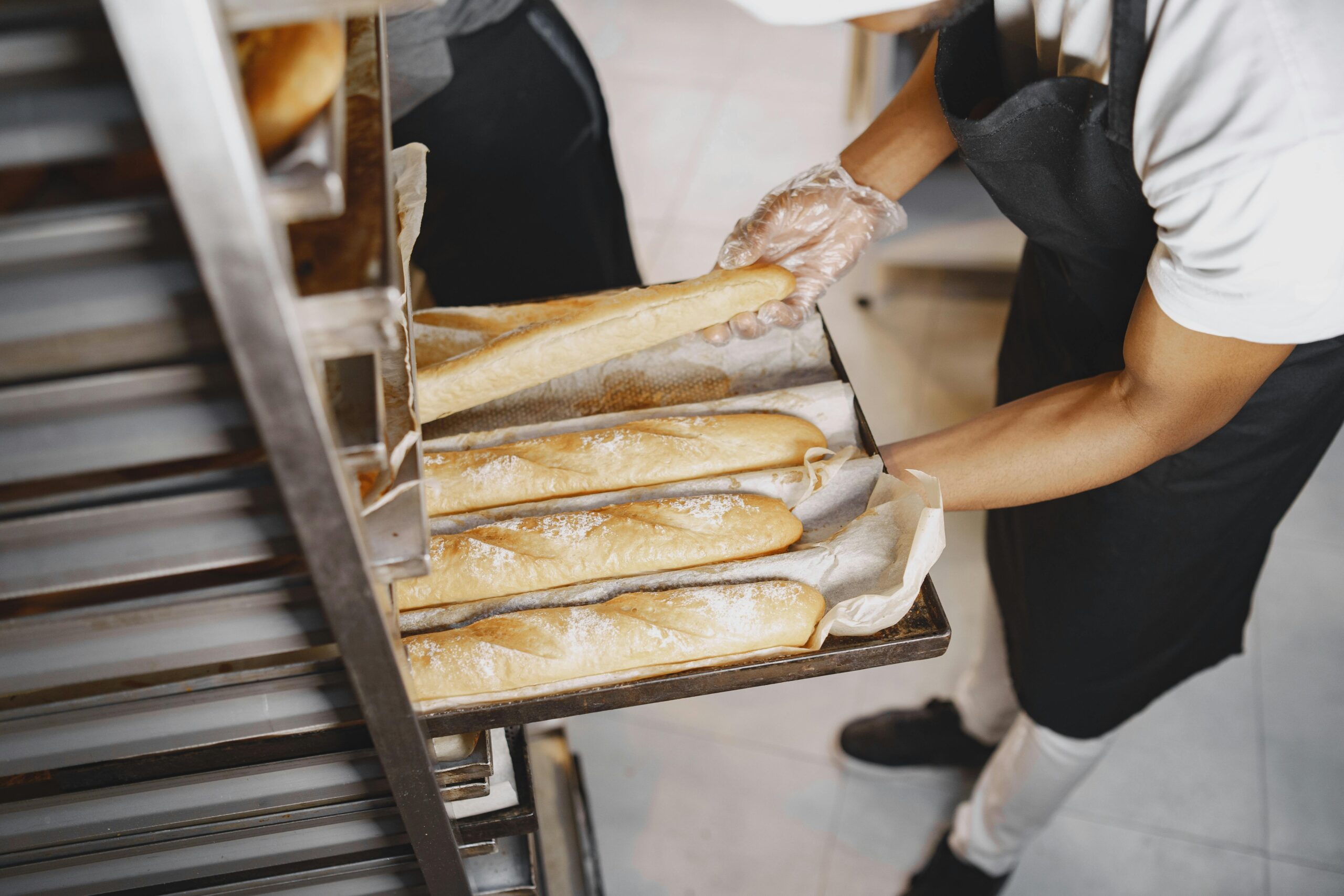
Baked as a full sheet, it portions into clean, even pieces with a single knife. Those pieces hold their structure on trays. They do not dry out as quickly as sliced loaves and they do not go limp the way softer rolls can. For any caterer managing setup, service, and breakdown across a two- or three-hour event, that consistency is not a minor convenience — it is part of how the event runs.
Il Forno’s focaccia is baked in sheet form specifically for this kind of use. It arrives ready to portion, with the olive oil already worked through the crumb and the crust already set. The kitchen does not need to finish it or doctor it. It is ready to work.