

The Secret to the Perfect NYC Pizza Crust: It Starts with the Dough
New York City pizza is more than just food. It is a daily ritual, a late-night comfort, and a point of
pride for locals who know exactly what makes a slice worth coming back for. The fold, the chew,
the crisp bottom, the soft interior. All of it matters. While many people focus on the oven or the
toppings, the real secret to an unforgettable NYC pizza crust begins long before the pizza ever
touches heat. It starts with the dough.
At its best, New York pizza has a crust that feels effortless yet precise. Thin but never flimsy.
Crispy without being dry. Chewy without being tough. That balance is not accidental. It is built
carefully through ingredients, fermentation, and technique. For bakeries that take pizza
seriously, dough is not just a base. It is the foundation of everything.
What Makes NYC Pizza Crust Different
New York style pizza has a texture that sets it apart from every other regional style. Unlike
thicker crusts or heavily structured doughs, NYC pizza dough is designed to stay light while
holding its shape. It must support toppings without overpowering them, and it must be strong
enough to fold, which is an essential part of the New York pizza experience.
This unique structure comes from how the dough is made and how long it is allowed to develop.
A proper NYC pizza crust is not rushed. It has time to build flavor and strength naturally. When
done right, the crust tastes good on its own, even before the sauce or cheese comes into play.
Simple Ingredients, High Standards
Great pizza dough does not rely on complicated ingredients. In fact, the best New York pizza
dough uses just a few essentials: flour, water, yeast, and salt. What matters is not how many
ingredients you use, but how carefully you choose them and how you handle them.
The flour used for NYC pizza dough needs the right protein level to create elasticity and
structure. Too weak and the dough tears. Too strong and the crust becomes dense. Water
affects hydration and texture, influencing how the dough bakes and how airy the final crust feels.
Yeast controls fermentation and flavor development, while salt enhances taste and strengthens
the dough.
In an artisan bakery environment, every batch of dough is adjusted with intention. Temperature,
humidity, and timing all play a role. These details are what separate fresh bakery pizza dough
from mass-produced alternatives.
Fermentation Is Where Flavor LivesOne of the most important elements of great pizza dough is fermentation. This is where time
becomes the most valuable ingredient. Slow fermentation allows yeast to work gradually,
breaking down starches and developing complex flavors that cannot be replicated with
shortcuts.
In New York style pizza, longer fermentation improves both taste and texture. It creates a dough
that stretches easily, bakes evenly, and develops that subtle depth of flavor people associate
with authentic NYC pizza crust. This process also helps create a lighter crust that is easier to
digest, something many customers notice even if they cannot explain it.
A well-fermented dough smells alive, feels relaxed in the hands, and responds beautifully in the
oven. That is not something you can rush.
Dough Handling Makes or Breaks the Crust
Even with the right ingredients and proper fermentation, dough handling plays a huge role in the
final result. Overworking dough can push out the air that fermentation worked so hard to build.
Rough shaping can lead to uneven thickness, which affects how the pizza bakes.
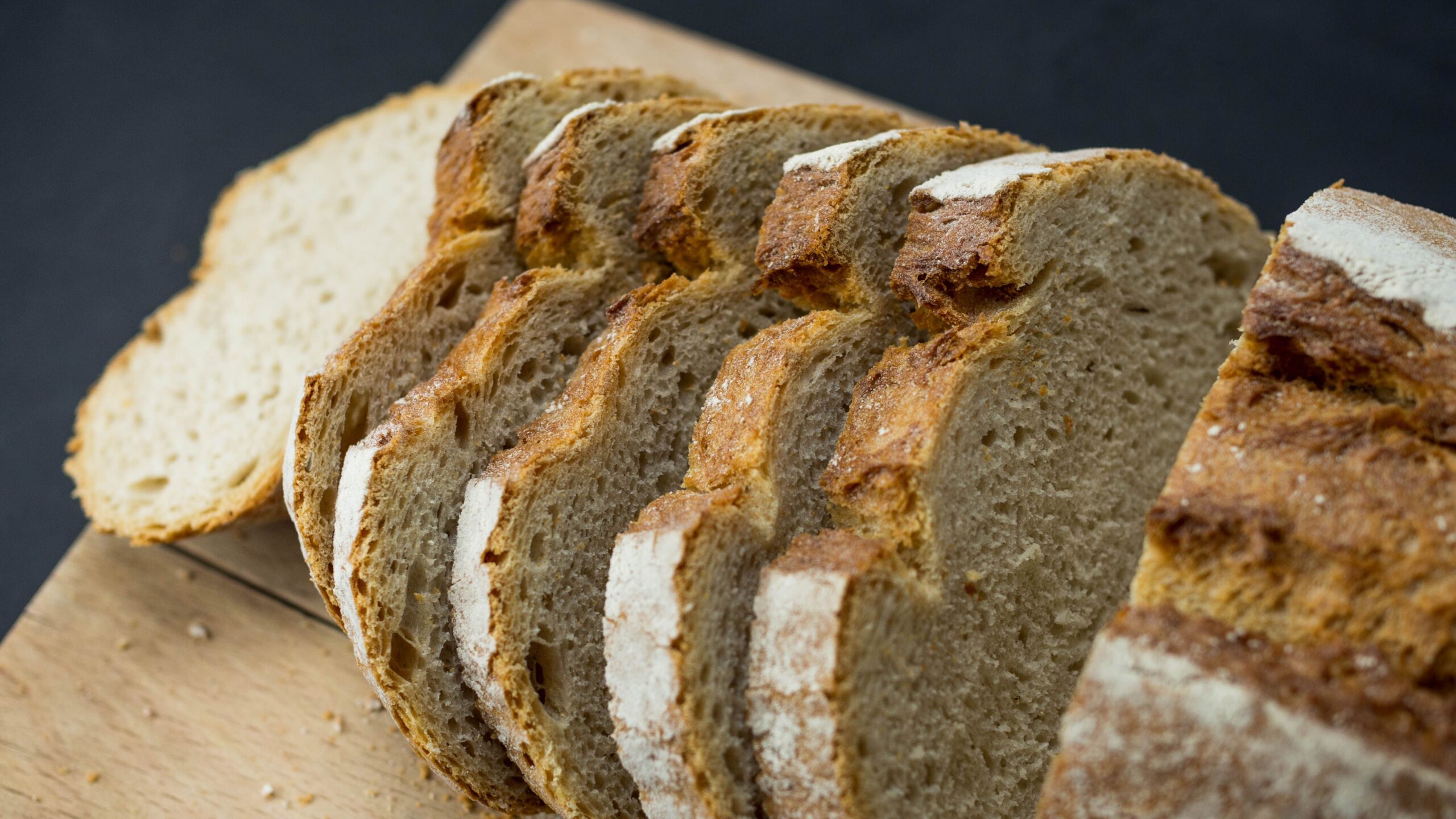
In bakeries that approach pizza with a bread-making mindset, dough is treated gently. It is
rested when needed, shaped by hand, and allowed to maintain its natural structure. This careful
handling creates the air pockets that give NYC pizza crust its signature interior texture.
The goal is not perfection through force. It is balanced through restraint.
The Role of Heat and Baking
High heat is essential for New York pizza, but heat alone cannot fix poor dough. When a
well-made dough hits a hot oven, it reacts instantly. The water inside the dough turns to steam,
causing oven spring. The crust rises slightly, blisters form, and the bottom crisps while the inside
stays soft.
This reaction only happens when the dough is properly hydrated and fermented. A rushed or
poorly developed dough will bake flat, dry, or uneven. The oven reveals the truth of the dough.
There is nowhere to hide.
That is why bakeries that make their pizza dough in-house have a clear advantage. They control
the variables from start to finish.
Why Fresh Dough Matters in NYC Pizza
Fresh dough has a life and aroma that frozen or pre-made dough simply cannot match. The
elasticity, the smell, and the way it bakes are all noticeably different. In a city where pizza is
taken seriously, freshness is not optional.Bakeries that make fresh pizza dough daily can adjust based on weather, temperature, and
humidity. This level of control ensures consistency and quality, which is especially important in
New York, where customers know exactly what they expect from a good slice.
Fresh dough also creates a crust that ages better. Even as the pizza cools, the texture remains
pleasant rather than turning tough or rubbery.
The Artisan Bakery Approach to Pizza Dough
When pizza is made in an artisan bakery, the mindset changes. Dough is no longer a shortcut. It
becomes a craft. The same care used for bread fermentation, hydration, and shaping is applied
to pizza dough.
At Il Forno Bakery NYC, this bakery-first approach influences every part of the process. Pizza
dough is treated with the same respect as artisan bread dough. Time is built into the schedule.
Quality is prioritized over speed. The result is a crust that feels intentional, balanced, and deeply
satisfying.
This approach reflects both Italian baking tradition and New York pizza culture. It is not about
trends. It is about doing things properly.
Great Pizza Starts Long Before the Oven
The best NYC pizza crust is not created in the oven. It is created hours, sometimes days, before
baking even begins. It lives in the mixing bowl, the fermentation process, and the hands that
shape it.
When dough is made with patience and skill, everything else falls into place. The bake becomes
easier. The texture becomes predictable. The flavor becomes layered and complete.
In a city filled with pizza options, the slices people remember are always the ones built on great
dough.
Why Dough Is the Heart of New York Pizza
Toppings may change. Sauces may vary. But the dough remains the soul of New York pizza. It
is what defines the experience and sets great pizza apart from forgettable pizza.
A perfect NYC pizza crust should feel familiar and special at the same time. It should fold
without cracking, crisp without shattering, and taste good from the first bite to the last. That kind
of crust does not happen by accident.
It happens when dough is given the time, care, and respect it deserves.
Because in New York City, the secret to great pizza has always been simple. It starts with the
dough.