


How Artisan Bread Can Elevate Your Casual Dining Menu
In casual dining, small details often make the biggest difference. Guests may come for comfort and familiarity, but what brings them back is quality they can taste. One of the most overlooked elements on a menu is also one of the most powerful: bread.
Artisan bread can elevate a dining experience without changing a restaurant’s personality. It doesn’t make a space feel formal or intimidating. Instead, it adds depth, warmth, and intention. When done right, artisan bread quietly raises the standard of the entire menu.
For restaurants, cafés, and bakeries across New York City, choosing to serve high-quality bread is more than a culinary decision—it’s a brand statement.
Why Bread Sets the Tone of a Meal
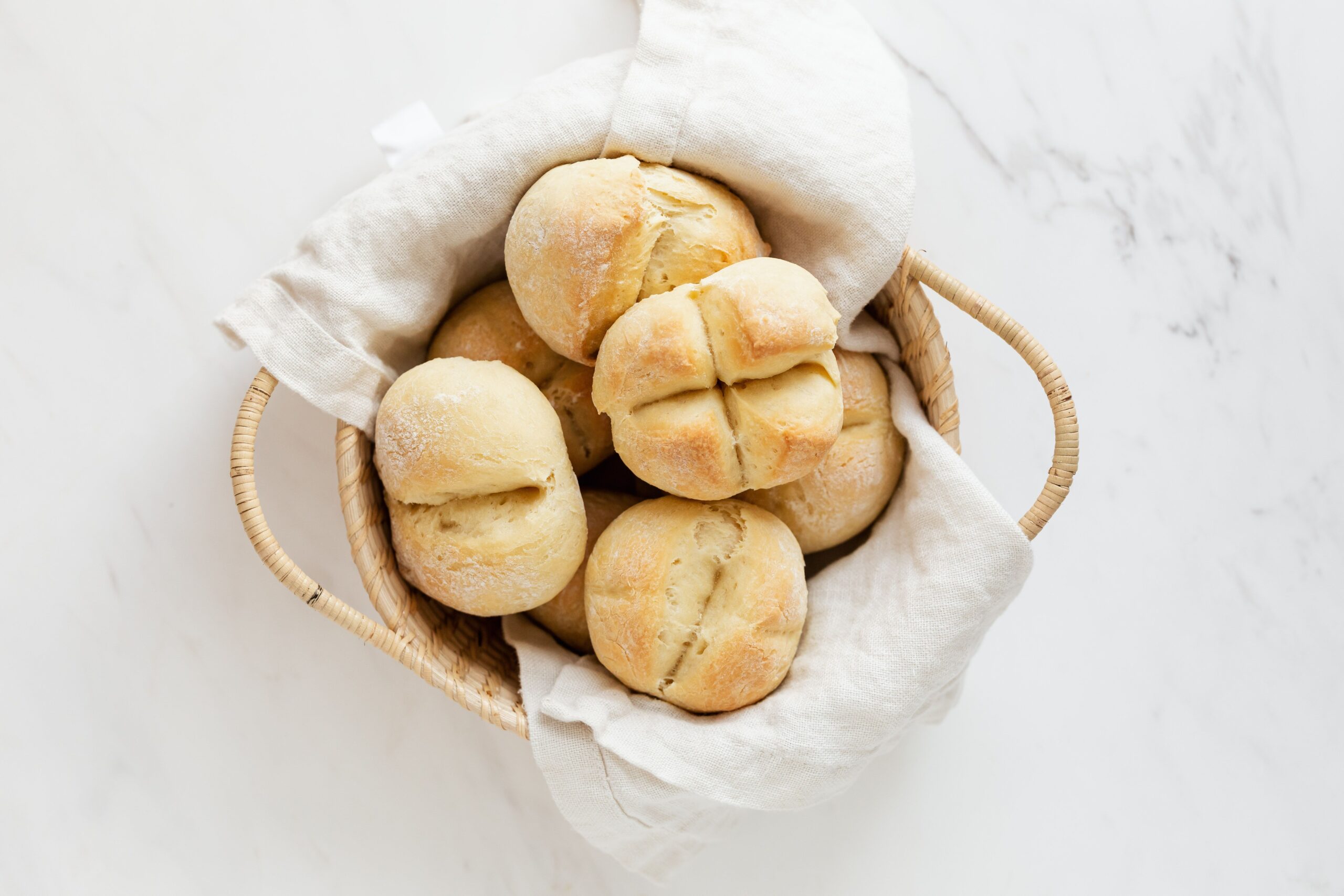
Bread is often the first thing a guest touches, smells, and tastes. Whether it arrives as a starter, supports a sandwich, or accompanies a main dish, it shapes the first impression of quality.
If the bread is generic or dry, it sends a message. If it’s fresh and flavorful, expectations instantly rise.
In casual dining, bread grounds the menu. It connects dishes and reinforces comfort. Artisan bread deepens that experience with texture and aroma guests immediately recognize as premium.
People may not always talk about the bread, but they always notice it.
What Makes Artisan Bread Different
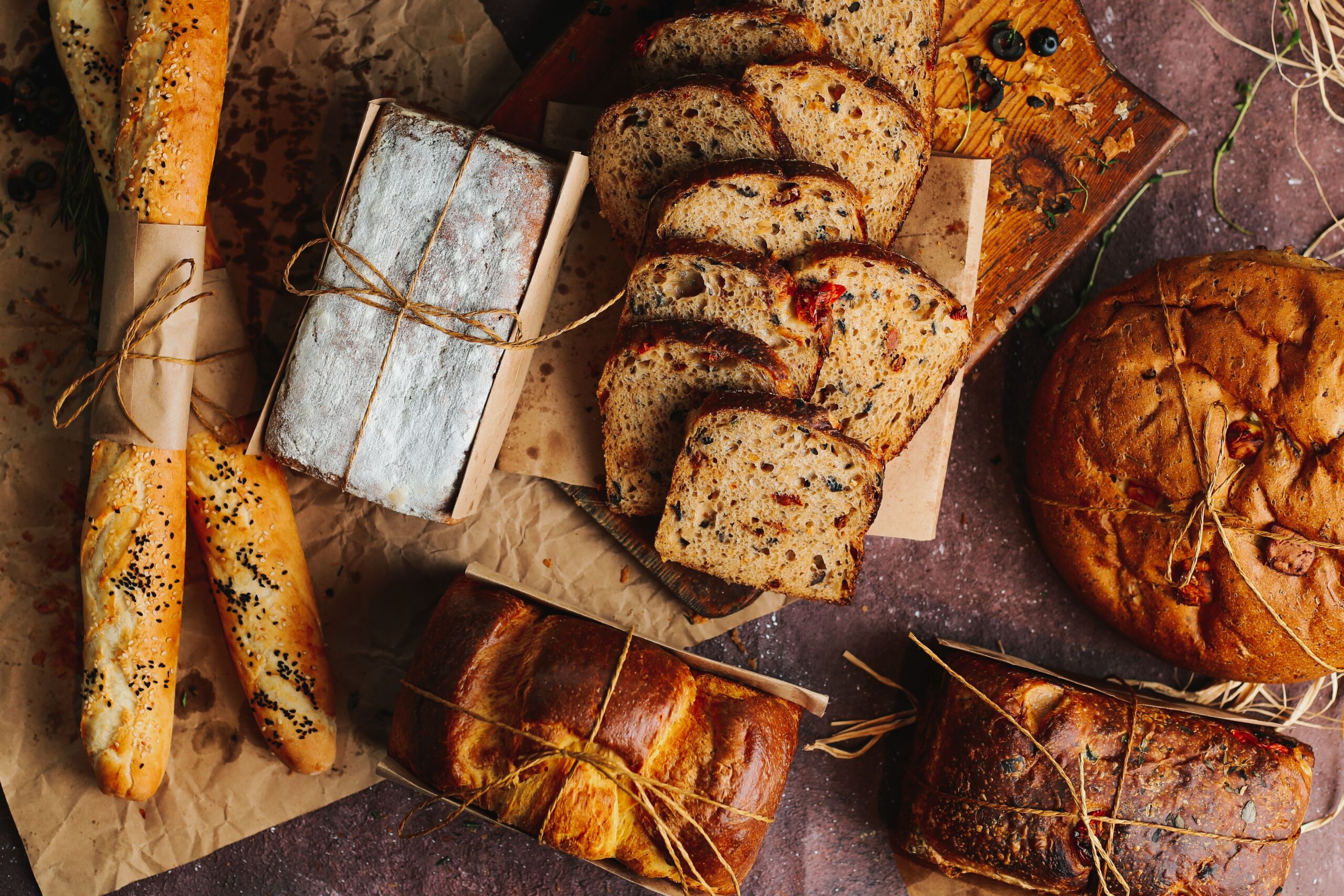
Artisan bread is defined by its process. Made in small batches, often by hand, it uses simple ingredients and longer fermentation to develop natural flavor.
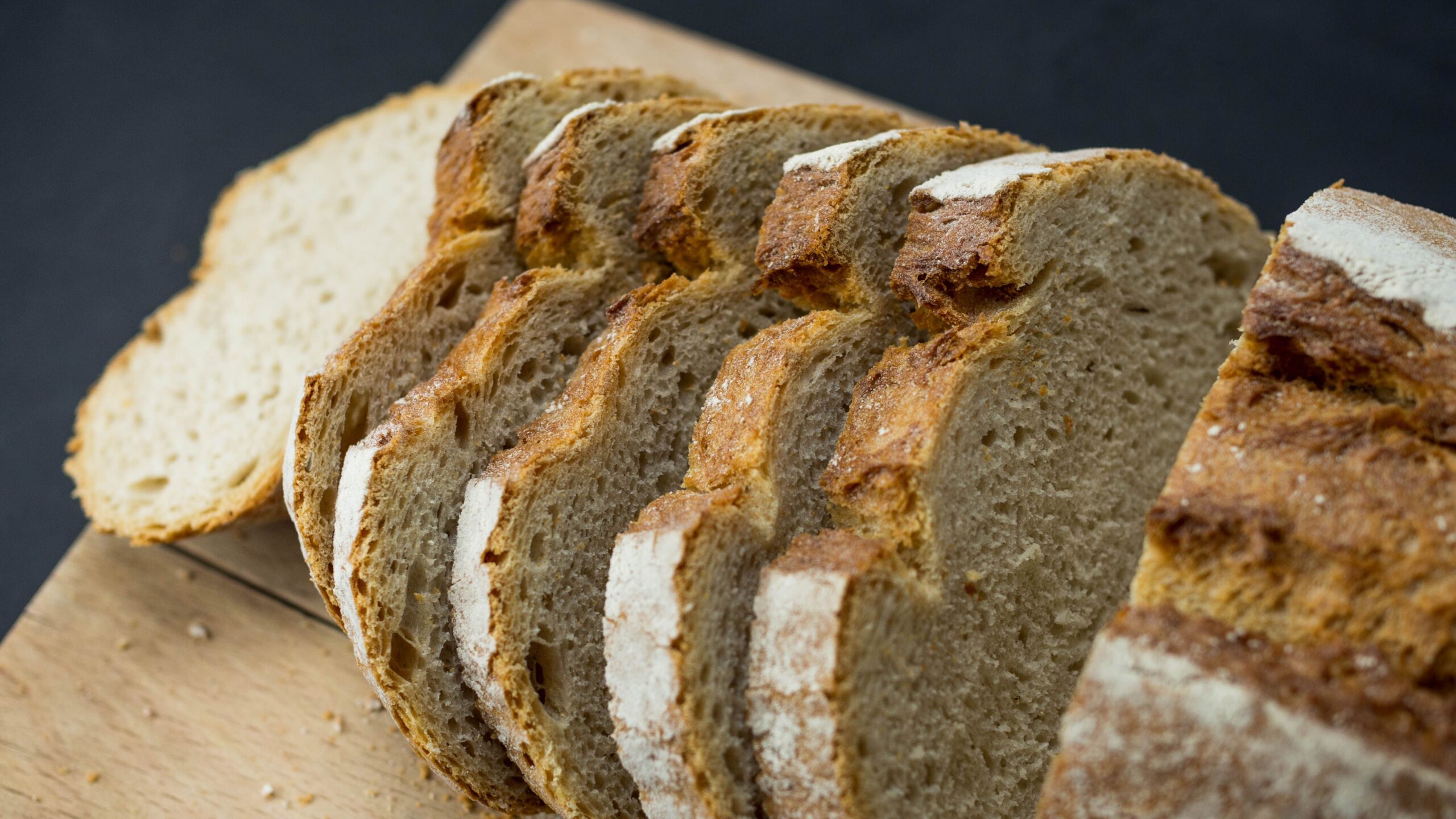
The crust is intentional. The crumb is open, soft, and aromatic.
The result is bread with depth and subtle complexity that factory methods can’t replicate. In a casual dining setting, that difference elevates even the simplest items. A sandwich feels heartier. A soup feels complete. A plate feels considered.
Elevating Dishes Without Changing the Menu
One of the biggest advantages of artisan bread is versatility. Restaurants don’t need a new menu to make an impact—simply upgrading the bread can transform existing dishes.
A grilled chicken sandwich becomes memorable on fresh ciabatta. A basic breakfast gains character with thick-cut sourdough. Even bread and butter can feel intentional when the loaf has personality.
The bread does the work without adding kitchen complexity.
Artisan Bread and Perceived Value
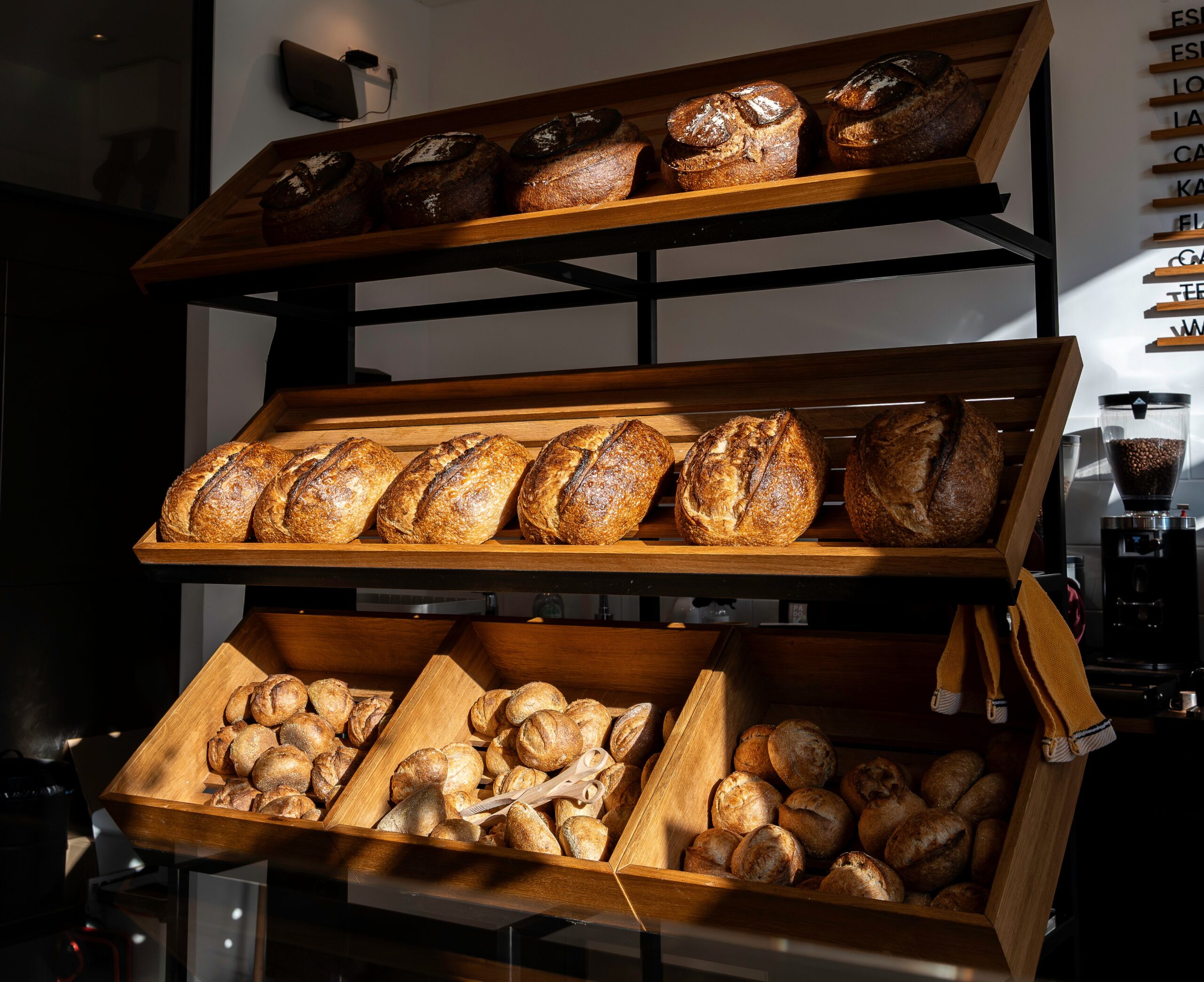
Guests associate artisan bread with care. Crusty exteriors, irregular shapes, and visible fermentation signal craftsmanship.
That perception influences how diners value the entire meal.
In casual dining, where pricing must stay approachable, perceived value is crucial. Quality bread helps justify price points naturally. It acts as a silent ambassador for the kitchen.
Creating Consistency and Identity
Using the same style of bread across sandwiches, toast, and table service makes a menu feel cohesive.
For Italian or European concepts, it reinforces authenticity. For modern cafés, it signals freshness. For neighborhood restaurants, it communicates warmth.
In every case, artisan bread strengthens the restaurant’s story.
Freshness Over Variety
Offering many options matters less than serving bread that is fresh and well made. One or two excellent loaves outperform a basket of generic choices.
Fresh bread also changes the atmosphere. The aroma greets guests before they even sit down, enhancing the dining experience in ways few ingredients can.
In a competitive market like New York, those sensory cues count.
Quality Without Slowing Service
There’s a misconception that artisan bread doesn’t fit casual dining because of speed. In reality, it works seamlessly when sourced from a reliable bakery partner.
Consistent delivery and proper planning allow kitchens to stay efficient while raising standards. When bread arrives ready to serve, staff can focus on execution.
Casual dining doesn’t mean careless dining. Quality and efficiency can coexist.
Why Guests Remember It
Guests might forget ingredients, but they remember how a meal felt. Bread shapes that memory through warmth, texture, and comfort.
When a sandwich seems exceptional or a meal feels generous, the bread is often why.
Those memories drive repeat visits.
A Signature Without Saying So
Great bread often becomes a signature element without being advertised. Guests come to associate the restaurant with it and notice when it’s missing elsewhere.
This kind of identity isn’t forced—it’s built through consistency and trust. And it pays off in loyalty.
The Value of a Strong Bakery Partner
Working with an artisan bakery means more than supply; it means expertise and reliability.
At Il Forno Bakery NYC, bread is crafted with the same care whether served in-house or alongside a restaurant’s menu. That bakery-first mindset ensures bread complements dishes rather than competing with them.
Strong partnerships help restaurants elevate quality while staying true to their casual identity.
Small Change, Big Impact
Adding artisan bread is one of the simplest upgrades a restaurant can make. It requires no new equipment or complicated training—just intention.
Bread touches more plates than almost any other ingredient. Improve it, and everything around it improves.
In New York, where diners have endless choices, small advantages matter.
Conclusion: Why Artisan Bread Belongs in Casual Dining
Casual dining is built on comfort, approachability, and consistency. Artisan bread enhances those values without adding pretension.
It elevates simple dishes, strengthens perceived value, and creates experiences guests remember.
Artisan bread doesn’t change what casual dining is—it simply delivers the best version of it.