

From Dough to Oven: The Craft Behind Artisan Bread
Bread is one of the oldest foods in the world, yet the process of making great bread remains as meaningful today as it was centuries ago. At Il Forno Bakery, baking is more than a daily routine—it is a craft built on patience, skill, and attention to detail.
Every loaf begins as a simple mixture of ingredients, but the transformation from dough to finished bread requires careful timing and experience. It is this process that gives artisan bread its distinctive flavor, texture, and character.
The Importance of Time in Bread Making
One of the defining features of artisan bread is the time allowed for fermentation. Instead of rushing the process, the dough is given the opportunity to develop naturally.
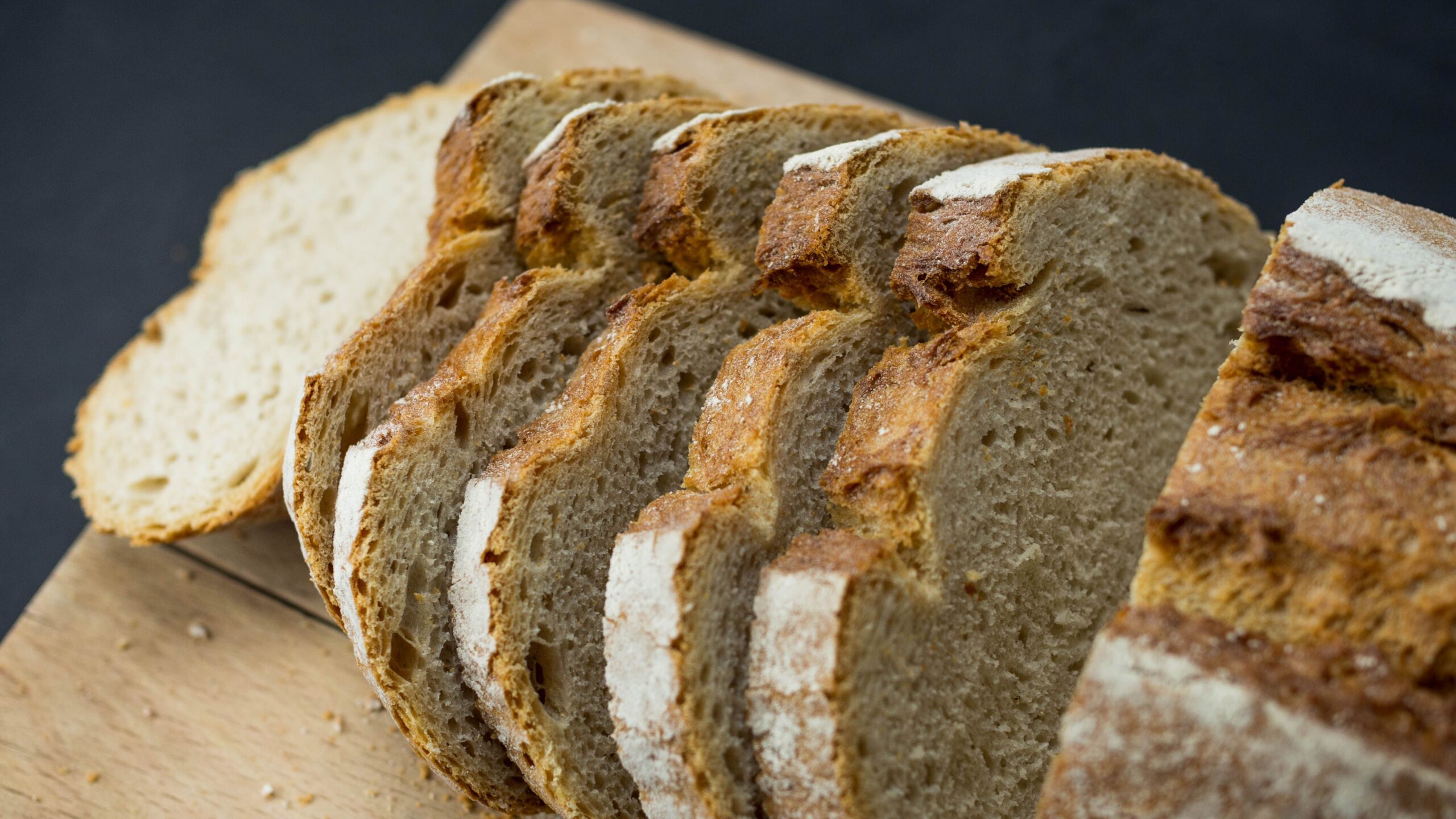
During fermentation, the dough begins to build flavor and structure. The yeast works slowly, creating air pockets that form the open crumb and light texture found in traditional breads. This stage also contributes to the depth of flavor that distinguishes artisan loaves from standard commercial bread.
Allowing the dough to develop in this way takes patience, but the results are worth the wait.
Shaping the Bread by Hand
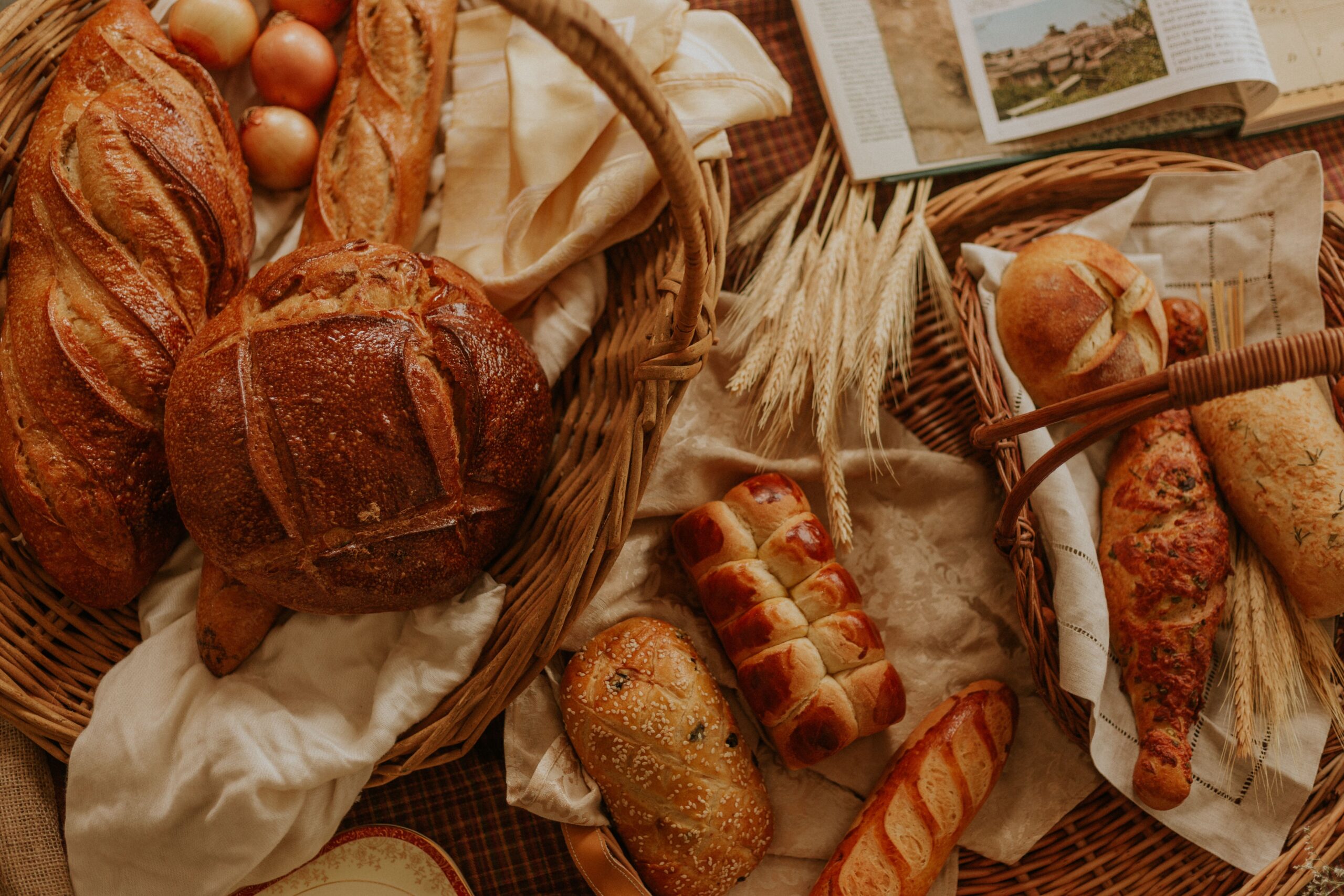
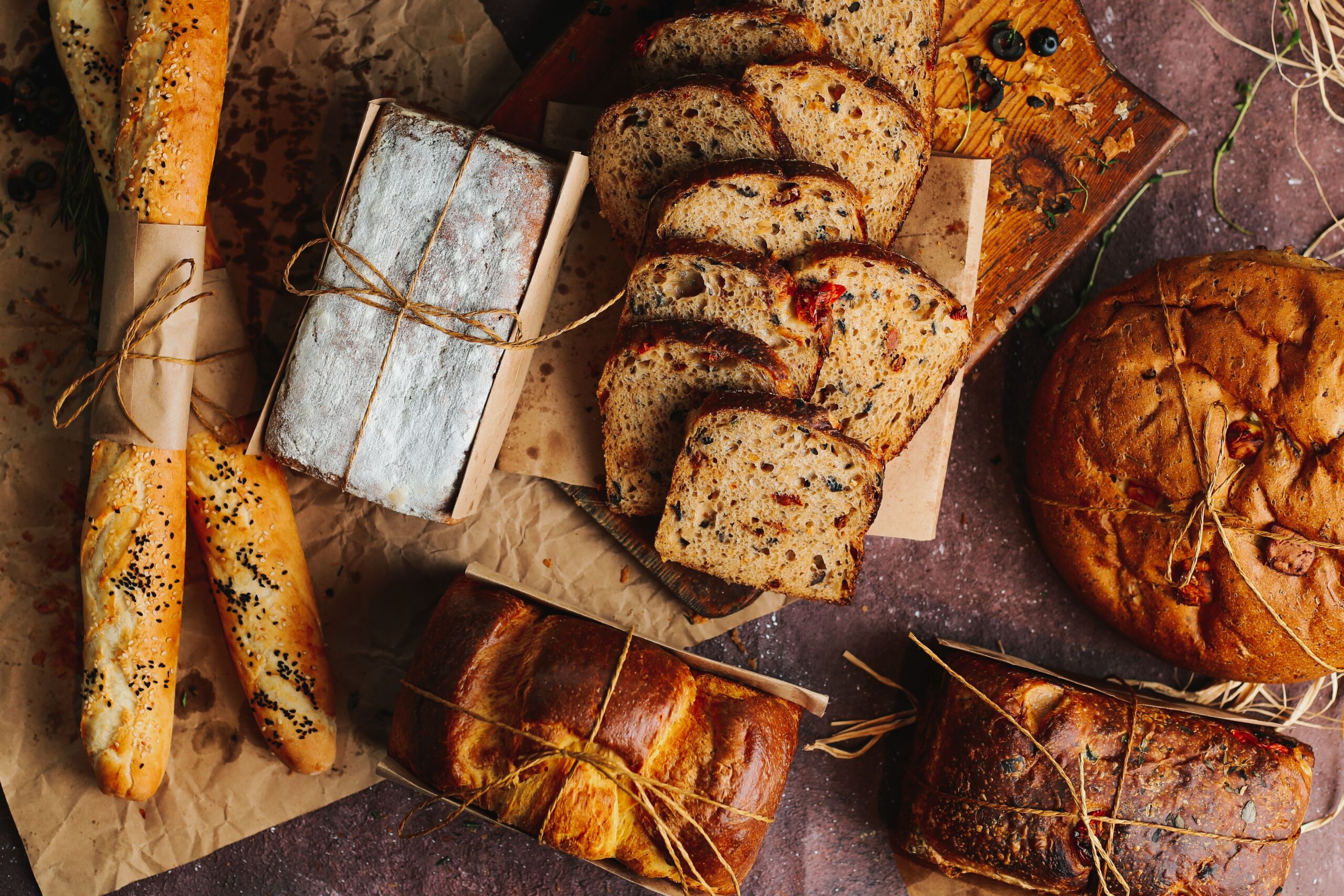
After fermentation, the dough is shaped into its final form. Whether it becomes a rustic loaf, a ciabatta, or a roll, shaping plays a key role in how the bread will bake.
Proper shaping helps the dough maintain its structure while baking in the oven. It also influences the final appearance of the bread, from the curve of the loaf to the pattern of the crust.
This step may seem simple, but it requires a practiced hand to achieve the right balance between structure and softness.
The Role of the Oven
The oven is where the dough completes its transformation.
As the bread begins to bake, the heat causes the dough to rise rapidly, creating the airy interior that makes artisan bread so distinctive. At the same time, the outer surface forms a crust that provides both texture and flavor.
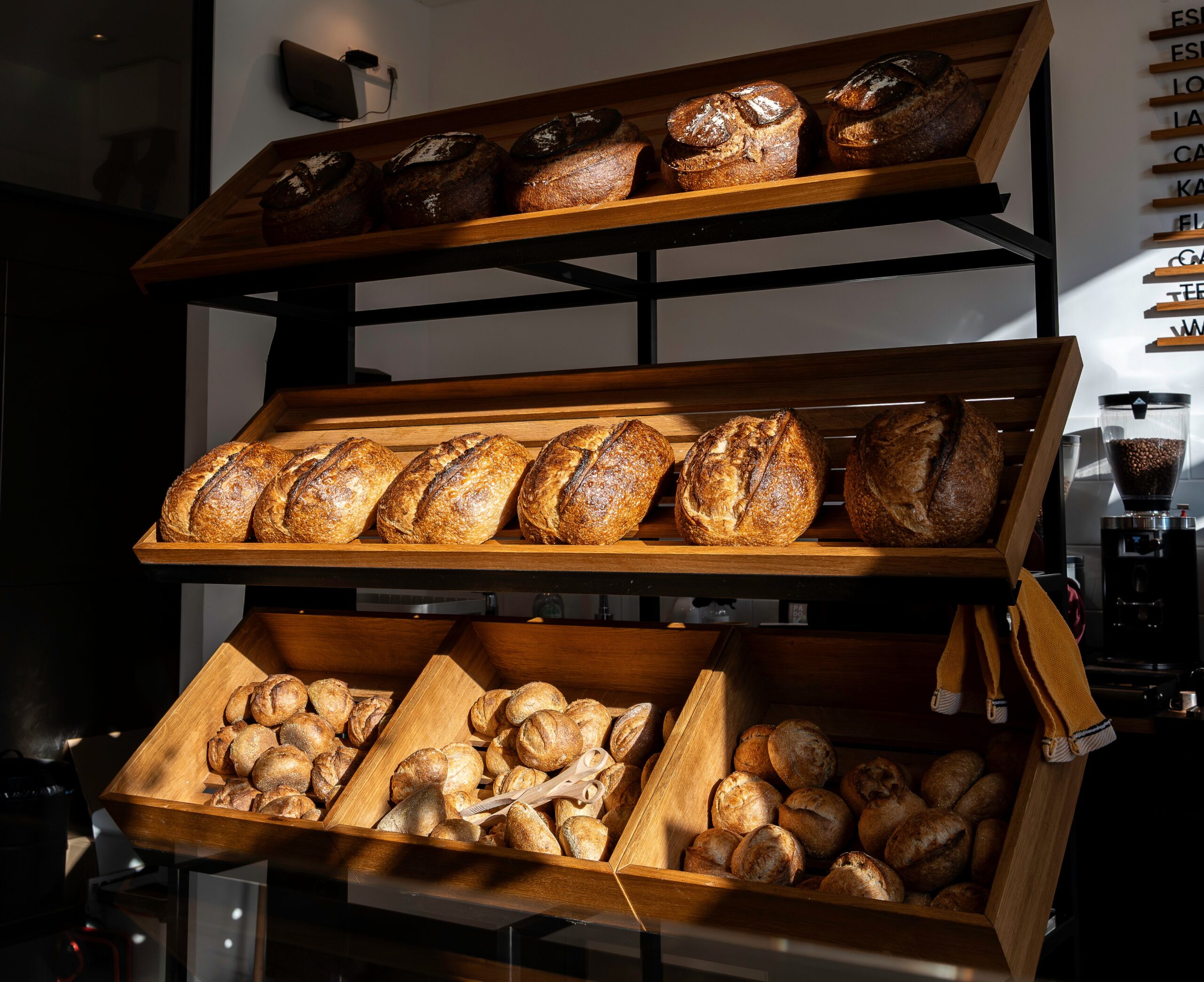
Stone-deck ovens are often used in artisan baking because they distribute heat evenly and help produce a crisp, well-developed crust. The combination of heat, steam, and timing determines the final character of each loaf.
The Aroma of Fresh Bread
One of the most recognizable signs of fresh bread is its aroma. As loaves bake in the oven, the natural sugars in the dough caramelize, creating the rich scent that fills a bakery.
This aroma is more than just pleasant—it signals the development of flavor inside the bread. The crust gains color and complexity, while the crumb remains soft and light.
For many people, the smell of freshly baked bread evokes comfort and tradition.
A Balance of Tradition and Modern Production
While artisan bread relies on traditional techniques, modern bakeries must also produce bread efficiently to serve their customers. Balancing craftsmanship with production requires experience and careful organization.
At Il Forno Bakery, the goal is to preserve the authenticity of traditional baking while maintaining the consistency that customers depend on. Each batch of bread follows the same standards to ensure that every loaf reflects the bakery’s commitment to quality.
Bread as Part of Everyday Life
Bread has always played a special role in meals around the world. It can be the center of a simple breakfast, the foundation of a sandwich, or the perfect companion to a shared dinner.
What makes artisan bread unique is its ability to turn these everyday moments into something a little more special. The texture of the crust, the softness of the crumb, and the warmth of a fresh loaf all contribute to a satisfying experience.
Even in a world of constantly changing food trends, bread remains a timeless staple.
The Craft Continues
Behind every loaf is a process that combines tradition, skill, and dedication. From the moment the dough is mixed to the moment the bread leaves the oven, each step plays a role in shaping the final product.
At Il Forno Bakery, this commitment to craft continues every day. The bakery’s approach remains centered on producing bread that reflects both the heritage of traditional baking and the expectations of today’s customers.
In the end, great bread is not just about ingredients. It is about the care that goes into every step of the process—and the simple satisfaction of sharing a freshly baked loaf.