

How Better Bread Planning Helps NYC Restaurants Handle Busy Weekends
Weekend bread planning NYC restaurants use can make a major difference during high-volume service. Fridays, Saturdays, and Sundays often bring more guests, more takeout orders, more brunch traffic, and more catering demand. Because of this, kitchens need a clear bread plan before the rush begins.
Bread supports many parts of weekend service. Restaurants use it for toast, sandwiches, rolls, table service, catering trays, brunch specials, dinner baskets, and grab-and-go meals. When the kitchen orders too little, service slows down. However, when the kitchen orders too much, waste increases.
A smarter bread plan helps restaurants protect freshness, control stress, and serve guests with more confidence.
Why Weekends Need a Different Ordering Strategy
Weekends do not always follow the same pattern as weekdays. A café may sell more breakfast sandwiches on Saturday morning. A restaurant may need more dinner rolls for Saturday night. Meanwhile, a caterer may need extra bread for private events, office lunches, or family gatherings.
Because demand changes, food businesses should not treat every day the same. A weekday bread order may not support a busy weekend properly.
Instead, managers should review weekend sales, reservations, catering orders, and menu specials before placing bakery orders. This helps the team prepare for real demand, not guesswork.
Start With the Menu
A strong weekend bread plan begins with the menu. Before ordering, restaurants should look at every item that uses bread.
This includes breakfast plates, toast, sandwiches, burgers, table bread, dinner rolls, catering trays, and specials. In addition, managers should check whether any weekend-only items require extra bread.
For example, a brunch special may need more sandwich rolls. A dinner menu may need more table bread. A catering order may require more sliced loaves or rolls.
Once the team sees the full menu clearly, ordering becomes more accurate.
Review Reservations and Expected Traffic
Restaurants can plan better when they connect bread orders to expected guest volume.
Reservations, private parties, hotel occupancy, catering schedules, and local events can all affect weekend demand. If a restaurant expects a full dining room, the kitchen may need more table bread or rolls. If a café expects strong morning traffic, it may need more bread for breakfast sandwiches and toast.
Also, weather can change traffic. A rainy day may reduce outdoor dining, while a sunny weekend may increase brunch and takeout orders.
Therefore, managers should use both past data and current expectations. That combination creates a stronger plan.
Prepare for Brunch Demand
Brunch can create unique bread needs. Guests may order toast, breakfast sandwiches, French toast, avocado toast, egg plates, and shareable items.
Because brunch moves quickly, the kitchen needs bread that is ready for prep before service begins. Staff should know what to slice, what to toast, what to stage, and what to keep available for later.
In addition, brunch often has waves of demand. A slow opening hour can quickly turn into a packed dining room. With the right bread plan, the kitchen can respond faster.
Good planning helps staff serve fresh food without rushing through basic prep.
Support Takeout and Delivery Orders
Weekend takeout and delivery can place extra pressure on bread inventory. Sandwiches, burgers, hot items, and boxed meals all need bread that holds up after leaving the kitchen.
For this reason, restaurants should plan bread orders around both dine-in and off-premise service. A busy takeout day may require more rolls, buns, sandwich breads, or loaves than the dining room alone would suggest.
In addition, bread should fit the item. A sandwich that travels well starts with bread that can support fillings, sauces, and wrapping.
When restaurants plan for takeout properly, guests receive a better experience outside the dining room.
Plan Catering Orders Separately
Catering should not disappear into the regular bread order. It needs its own planning.
Large trays, boxed lunches, private events, and hotel functions can use a significant amount of bread at once. If the team does not separate those needs, the kitchen may run short during regular service.
Instead, managers should list catering bread requirements first. Then, they can add the normal weekend order on top of that.
This simple habit helps protect both event service and daily restaurant operations.
Keep Prep Organized Before the Rush
Bread planning does not end when the delivery arrives. Staff also need a clear prep system.
The team should know which bread to slice first, which products to keep whole, which items to stage for service, and which products need careful storage. In addition, managers should assign bread prep before peak hours whenever possible.
This prevents last-minute confusion. It also helps the kitchen avoid cutting too much bread too early.
Better prep keeps bread fresher and helps service move more smoothly.
Use Flexible Bread Products When Possible
Flexible bread products can help kitchens handle changing weekend demand. When one bread item supports several menu uses, the team has more options during service.
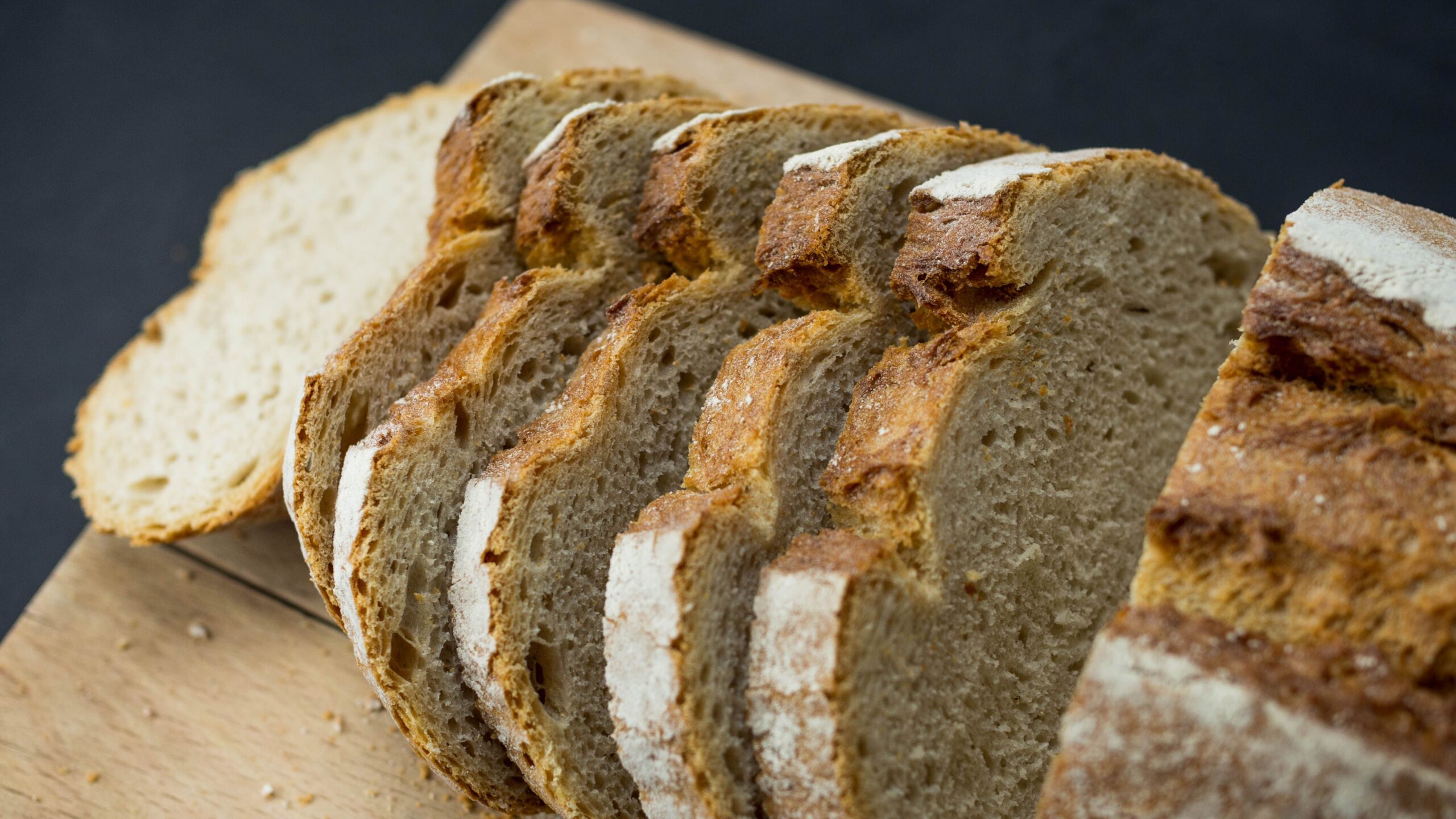
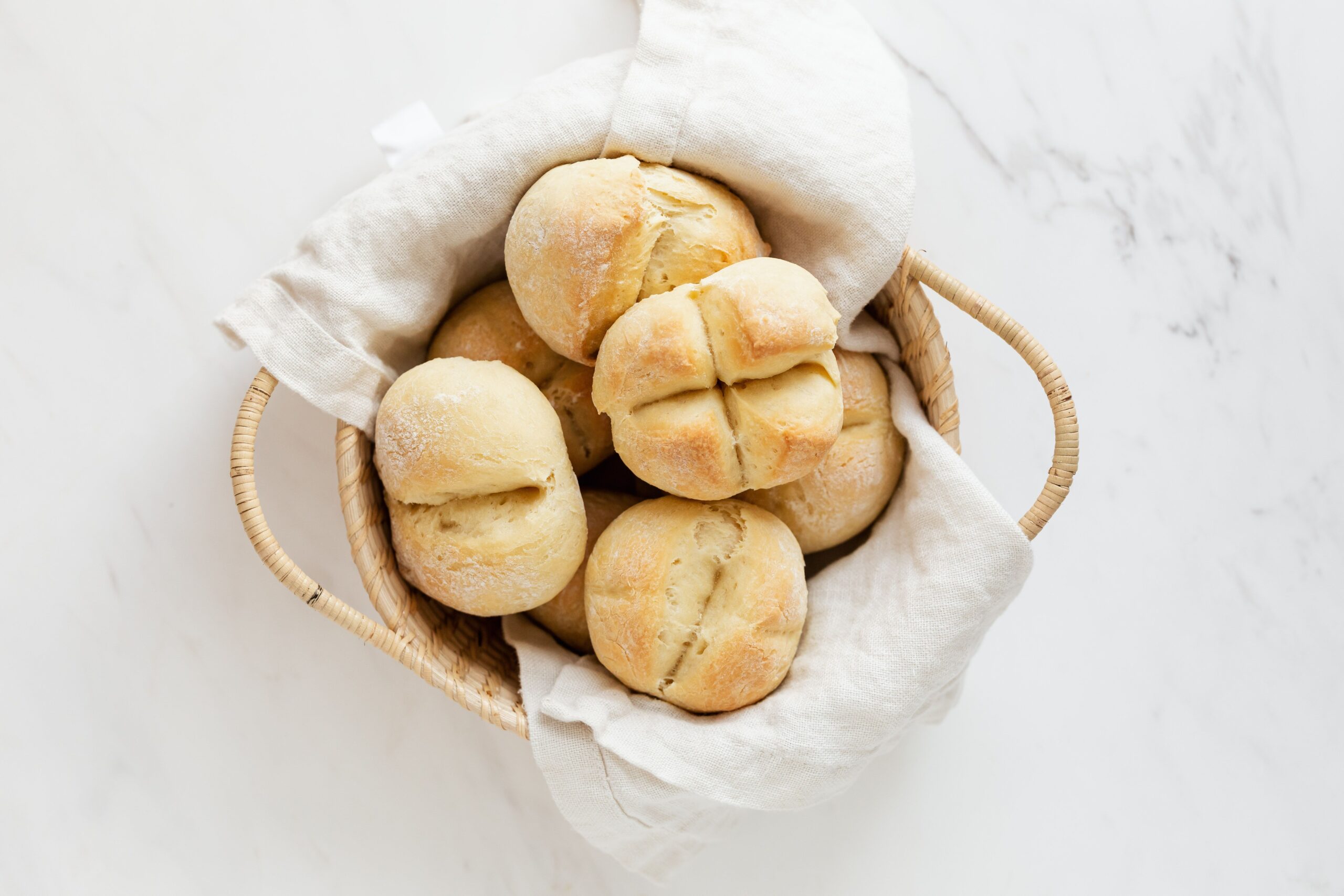
For example, certain rolls may work for breakfast and lunch. Sliced breads can support toast, sandwiches, and catering trays. Artisan loaves can support table service, sides, and specials.
Because of this flexibility, restaurants can adjust more easily when demand shifts.
Instead of getting stuck with bread that only works for one item, the kitchen can use products across the menu.
Communicate With Your Bakery Partner
Clear communication helps restaurants plan more effectively. If a weekend includes a special event, a larger catering order, or a menu change, the bakery partner should know in advance.
This allows both sides to prepare. The restaurant gets the bread it needs, while the bakery can plan production more accurately.
In addition, communication helps prevent last-minute stress. If managers regularly review order patterns with their bakery partner, they can adjust quantities before problems repeat.
A strong supplier relationship can make weekend service much easier to manage.
How Il Forno Bakery NYC Supports Food Businesses
Il Forno Bakery NYC supplies wholesale artisan bread for restaurants, cafés, hotels, delis, caterers, and food businesses across the New York Metro and Tri-State area.
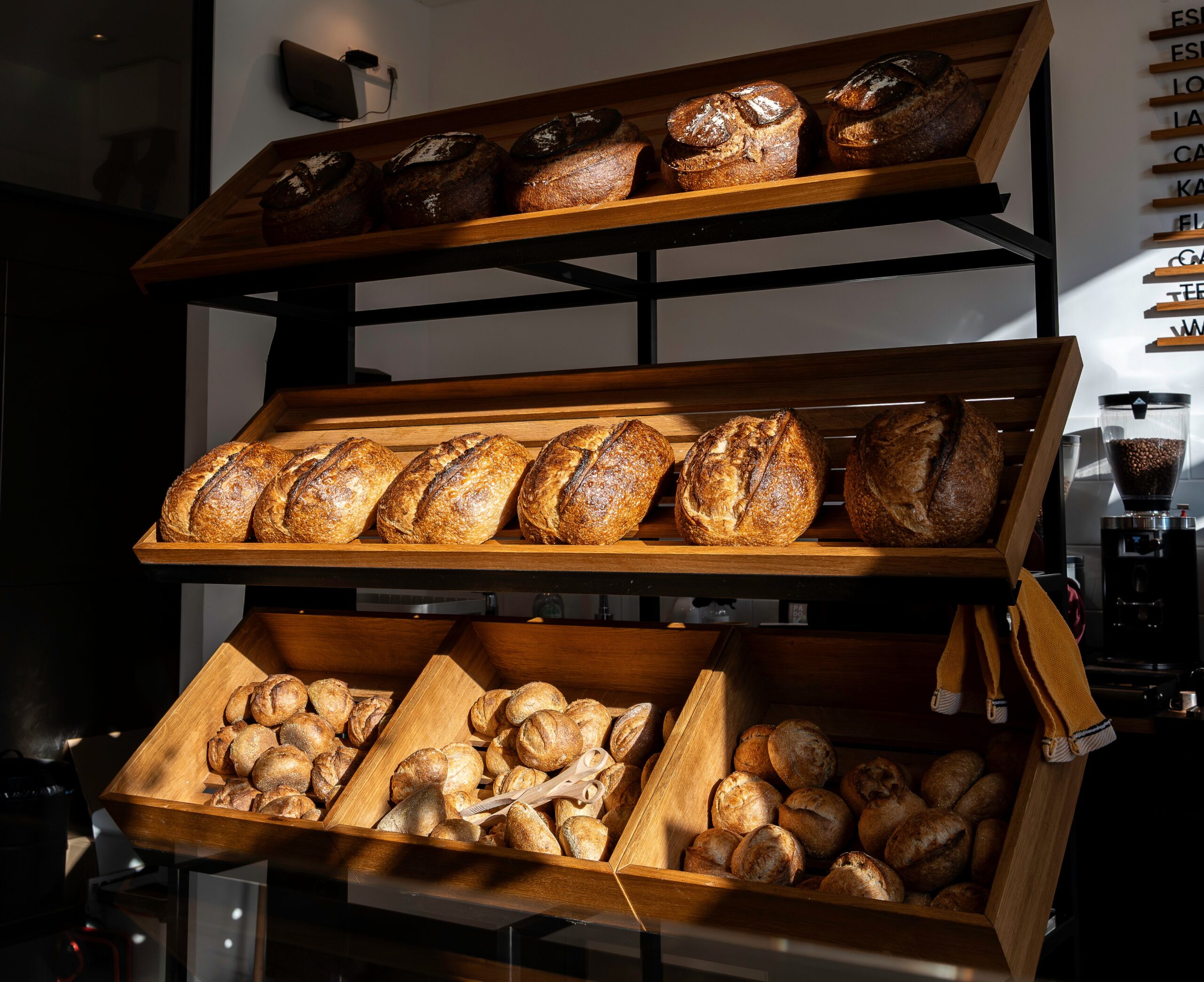
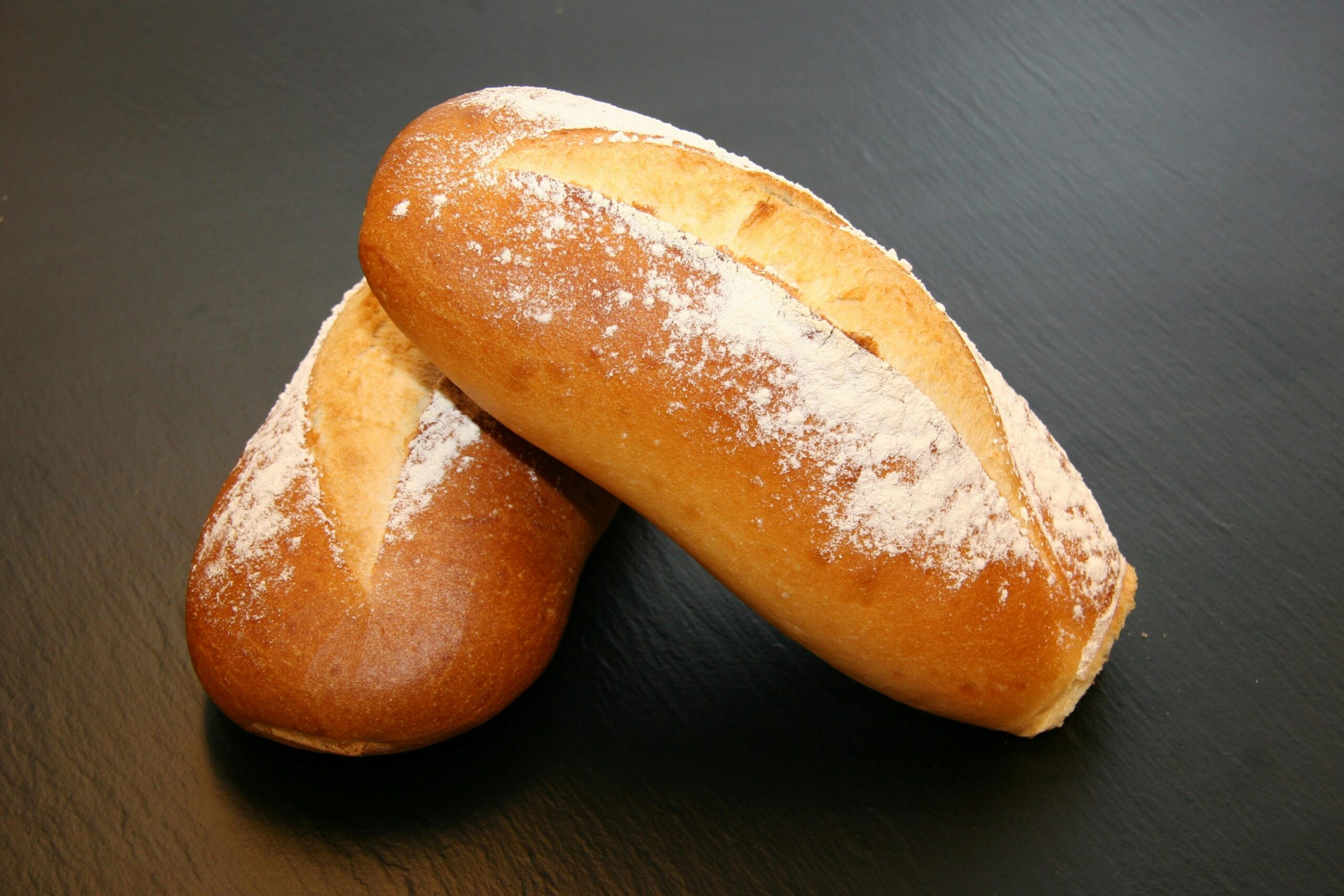
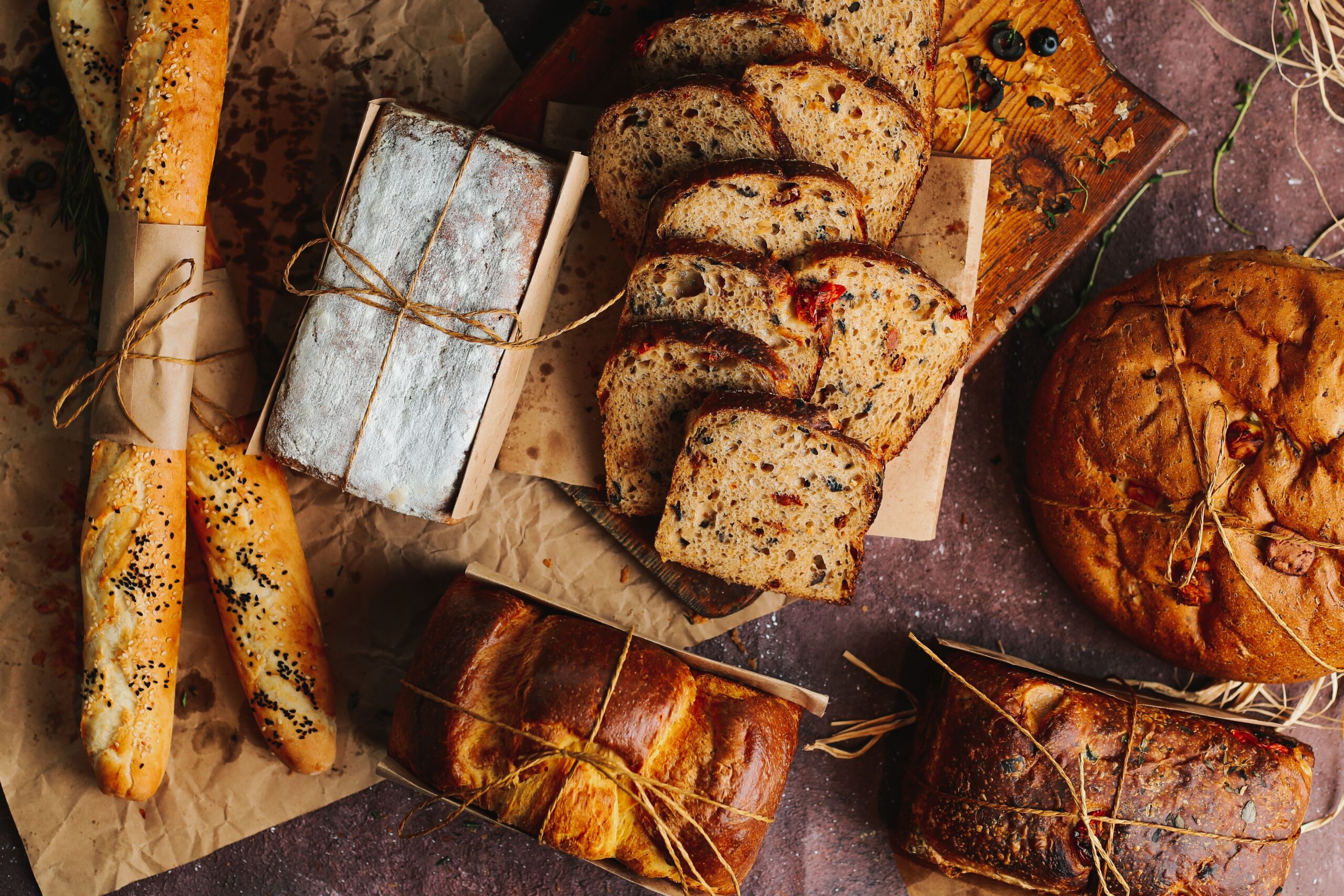
The bakery offers a wide selection of loaves, rolls, buns, Pullmans, sandwich breads, baguettes, ciabatta, focaccia, and specialty breads listed in its wholesale catalog. Because of this variety, food businesses can choose products that support breakfast, lunch, dinner, catering, takeout, and daily service.
For restaurants that need better weekend bread planning in NYC, a dependable bakery partner can help make ordering, prep, and service more consistent.
Better Planning Creates Better Weekends
Busy weekends can bring strong sales, but they also create pressure. Without a clear bread plan, kitchens may face shortages, waste, slow prep, or inconsistent service.
However, when restaurants review their menu, track traffic, separate catering needs, and communicate with their bakery partner, they can handle the rush with more control.
Most importantly, guests receive fresh bread and better food from the start of service to the final order.
Ready to Plan Better for Weekend Service?
Il Forno Bakery NYC provides wholesale bread for food businesses that need freshness, consistency, and dependable service. Whether your kitchen needs bread for brunch, lunch, dinner, catering, takeout, cafés, hotels, or daily restaurant service, Il Forno can help you choose options that fit your operation.
Contact Il Forno Bakery NYC today to learn more about wholesale bread options and sample availability.