

Wholesale Bread for Cafés in NYC: Fresh Every Morning
How to Store Wholesale Bread in Restaurants: Keep It Fresh All Service Long
How to store wholesale bread in restaurants determines whether your morning delivery stays fresh through service or turns stale by lunch. Most kitchen teams do not think much about storage until quality starts dropping. By then, the bread is already compromised. A few simple changes to how you handle and store bread can extend its life and keep quality consistent from the first sandwich to the last.
Room Temperature Storage: The Baseline Approach
Bread stored at room temperature stays fresher longer than bread stored in the cold. This is not intuitive for kitchen teams trained to refrigerate everything. But bread behaves differently. Cold slows staling. It also slows down mold growth. Yet refrigerated bread dries out faster because cold air pulls moisture from the crumb.
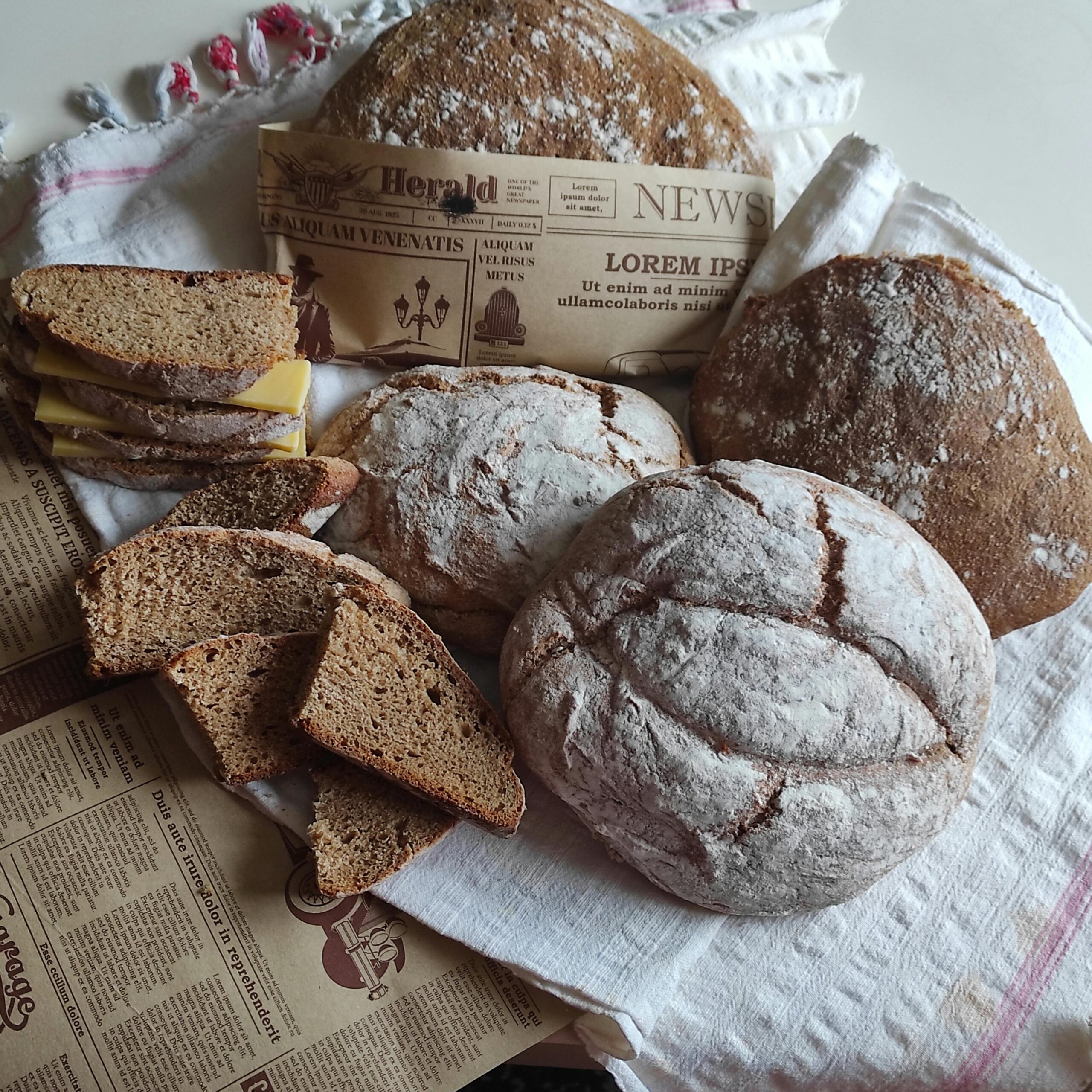
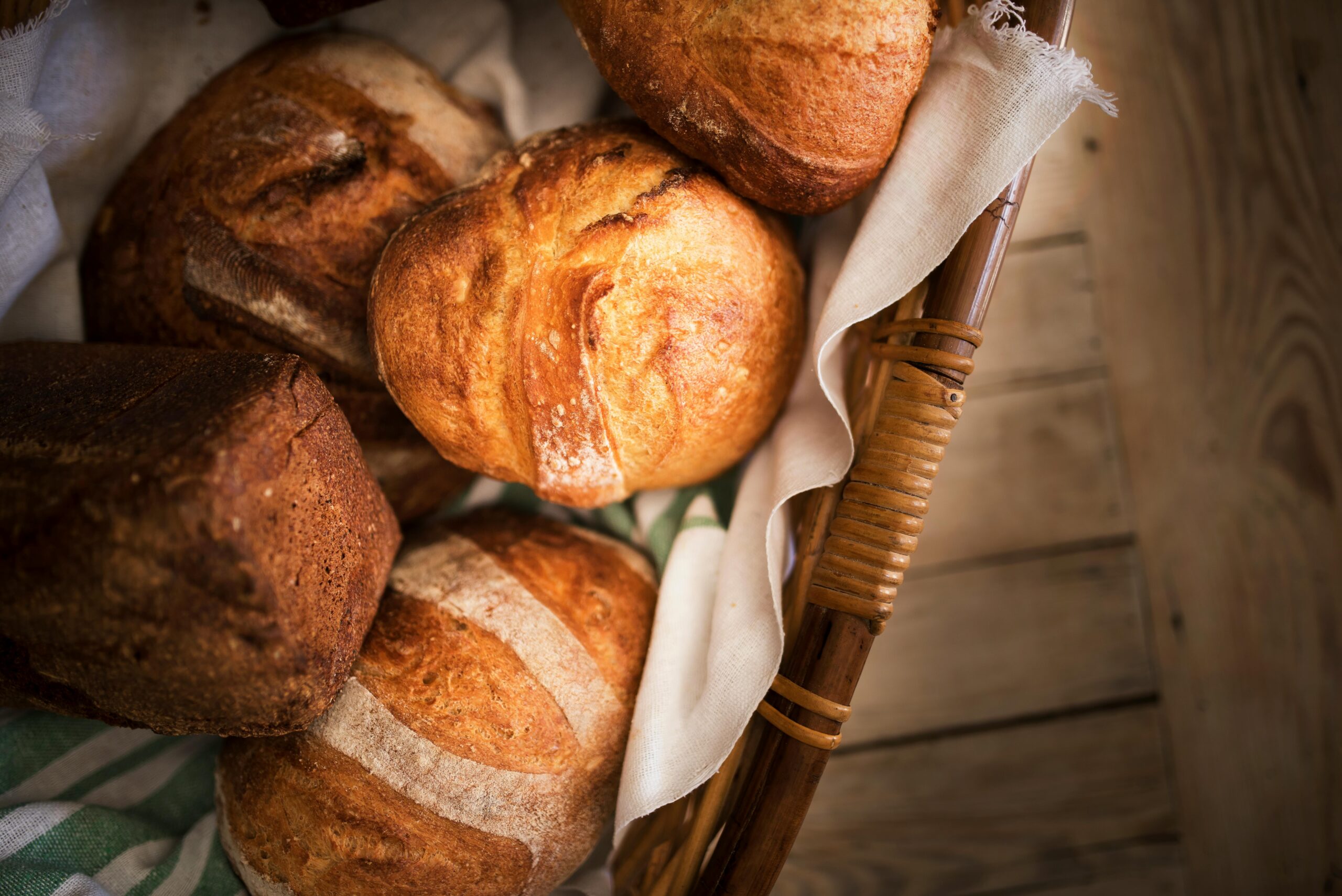
The best practice is simple: keep bread at room temperature in a bread box, on a shelf, or in a covered container. Air circulation matters. Bread needs to breathe. A sealed plastic bag traps steam and can lead to mold. A box with small ventilation holes is ideal. Keep bread away from direct sunlight and heat sources. A cool, dry corner of the prep station works better than a shelf above the ovens.
Sliced Versus Unsliced: When to Cut
Slicing bread increases its surface area. More surface means faster moisture loss and faster staling. If your kitchen slices bread ahead of service, slice only what you need for the next two to three hours. Keep the rest unsliced and in a covered container.
For sandwich operations, this matters a lot. A roll sliced in bulk at 6 a.m. will feel noticeably older by 10 a.m. Slicing closer to service keeps the product fresher. If you slice ahead, stack the slices and wrap them loosely — not tightly — to trap a little moisture without creating steam buildup.
High-Volume Service: The Rotation System
Cafés and delis moving high bread volume need a rotation system. Deliver bread arrives in the morning. Service uses it throughout the day. By afternoon, older bread is still sitting in the case.
Use a first-in-first-out rotation. Display the fresh morning delivery at the front of the case. Move older stock to the back. This ensures customers get the freshest product while you use older bread for made-to-order items where it is less visible.
For grab-and-go sandwiches made ahead, use bread that arrived the previous afternoon if possible. Fresh morning bread should anchor your display and highest-margin items.
When Refrigeration Makes Sense
Refrigeration slows mold growth. For restaurants that prep multiple days ahead or operate in very humid conditions, cold storage can prevent mold while minimizing staling if done right.
If you refrigerate, keep bread in a sealed container to prevent it from drying out. Pull bread from the cold about 30 minutes before service. Let it come back to room temperature. This restores some moisture and makes it more pleasant to eat or work with.
Never refrigerate bread in an open shelf. The constant temperature fluctuations and dry cold air will turn it stale fast.
The Freezer: Strategic Use Only
Freezing stops the clock on bread. If you know you will not use bread within a day, freeze it instead of watching it slowly go stale.
Wrap bread tightly in plastic wrap, then place it in a freezer bag. Frozen bread keeps for up to three months. Thaw it at room temperature in its original wrapping. Do not unwrap it while frozen — condensation will make it soggy.
Frozen bread works well for toasted applications where the heat brings back some texture. It is less ideal for fresh sandwich builds where you want the best texture.
Why Delivery Timing Matters
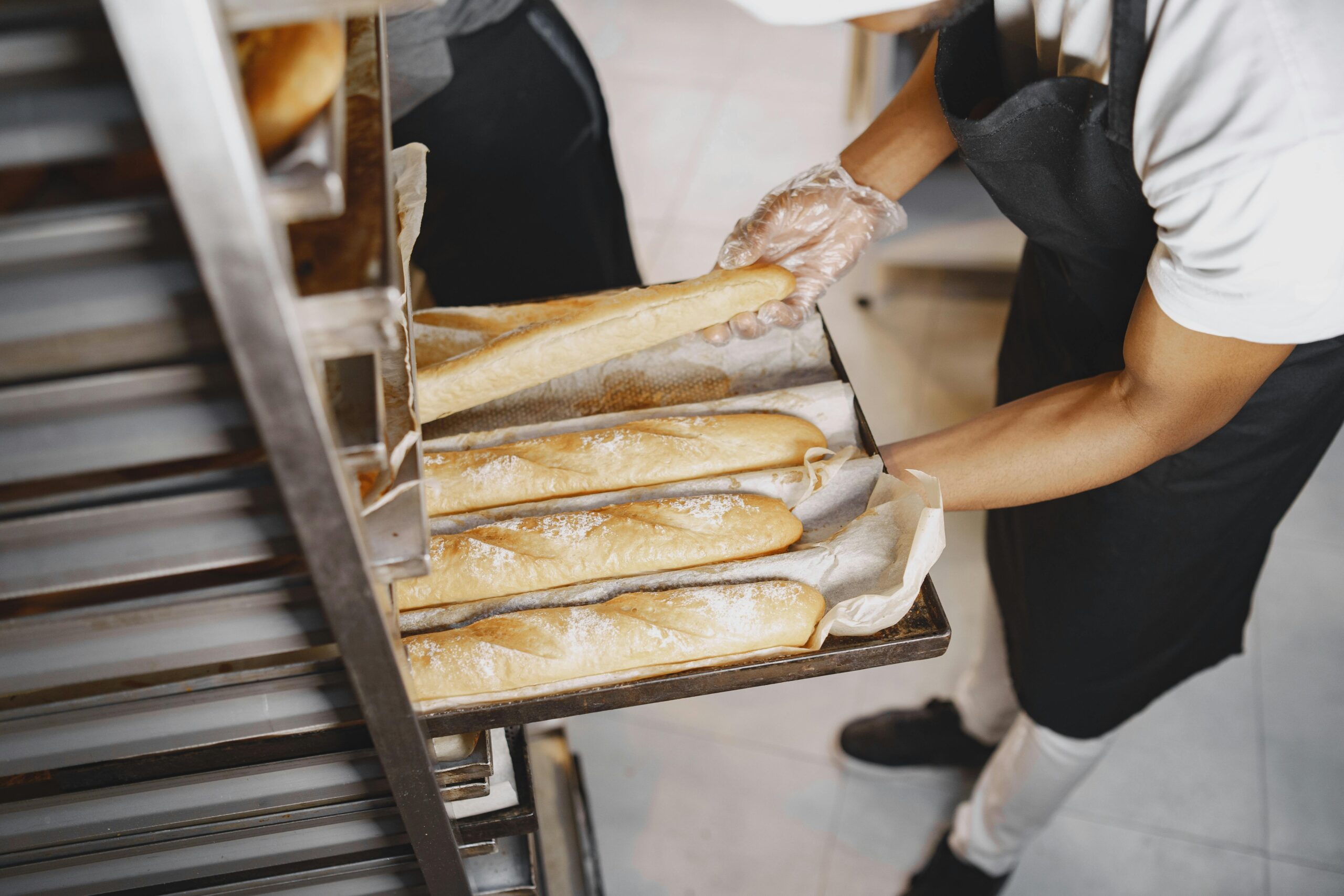
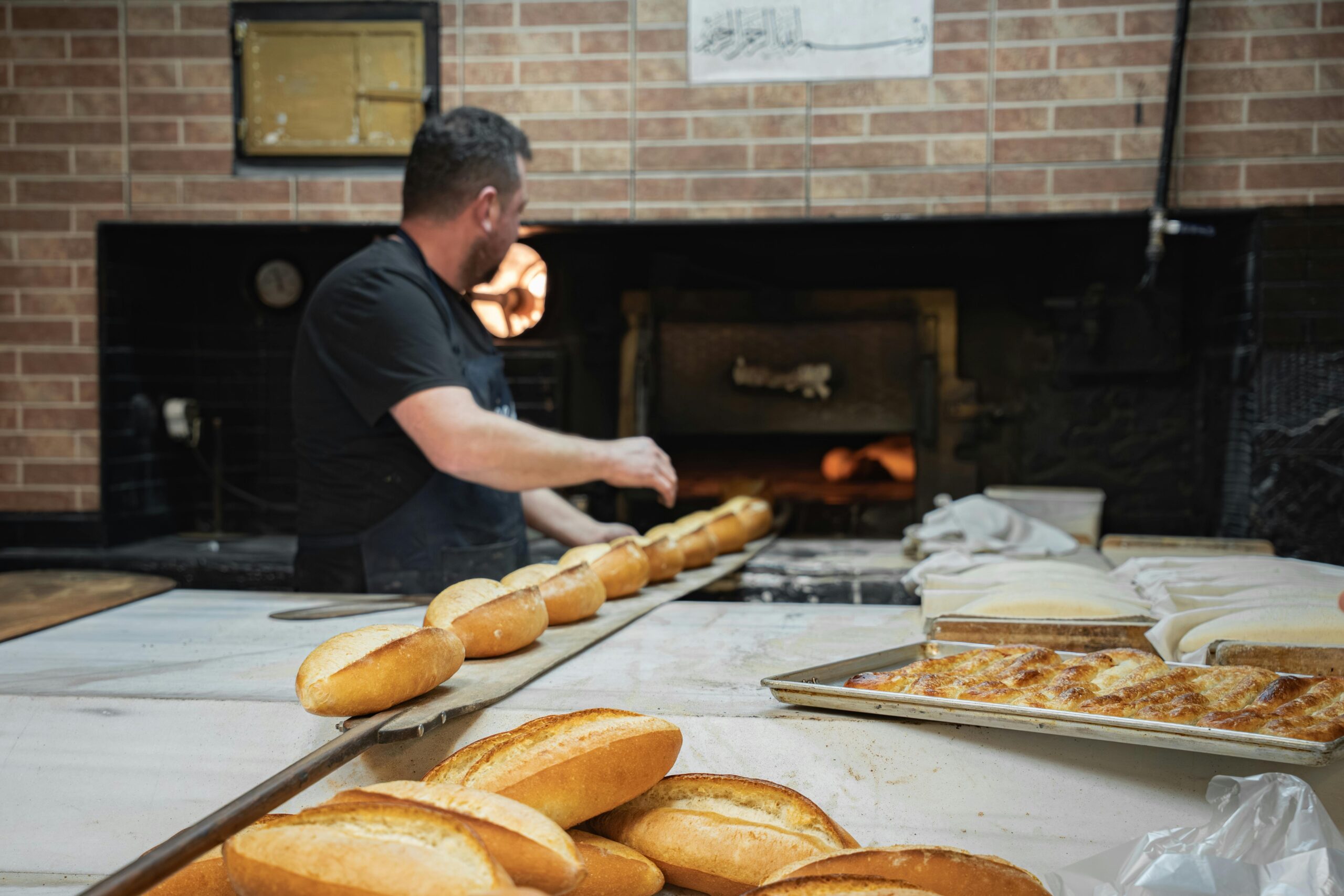
The timing of when bread arrives changes how long it stays good. Bread baked overnight and delivered at 6 a.m. starts service already fresh and fully developed. There is no waiting, no additional time the bread spends sitting after baking.
This is why Il Forno Bakery NYC delivers on early-morning routes. Bread arrives when kitchens are opening, not mid-service. The team can immediately put it to work or store it properly for the day ahead.
Afternoon or evening deliveries create a different dynamic. Bread that arrives at 2 p.m. has already cooled and started to firm up. By the next morning, it is already a day old. This shifts when the bread is best used — later in the current service rather than the next morning.
The Bottom Line on Storage
Good bread storage is not complicated. It starts with understanding that bread and cold are not always friends. Room temperature, good air circulation, and first-in-first-out rotation solve most storage problems in busy kitchens.
When bread arrives fresh from a supplier that bakes overnight and delivers early, the storage part becomes much simpler. You start with a fresh product that is already fully developed. Your job is just to keep it that way through service.
Contact Il Forno Bakery NYC to set up early-morning delivery for your restaurant, café, or deli. Fresh bread delivered before service begins makes storage and quality management easier. Delivery covers NYC, Long Island, Westchester, North and Central New Jersey, and Fairfield County, CT.