

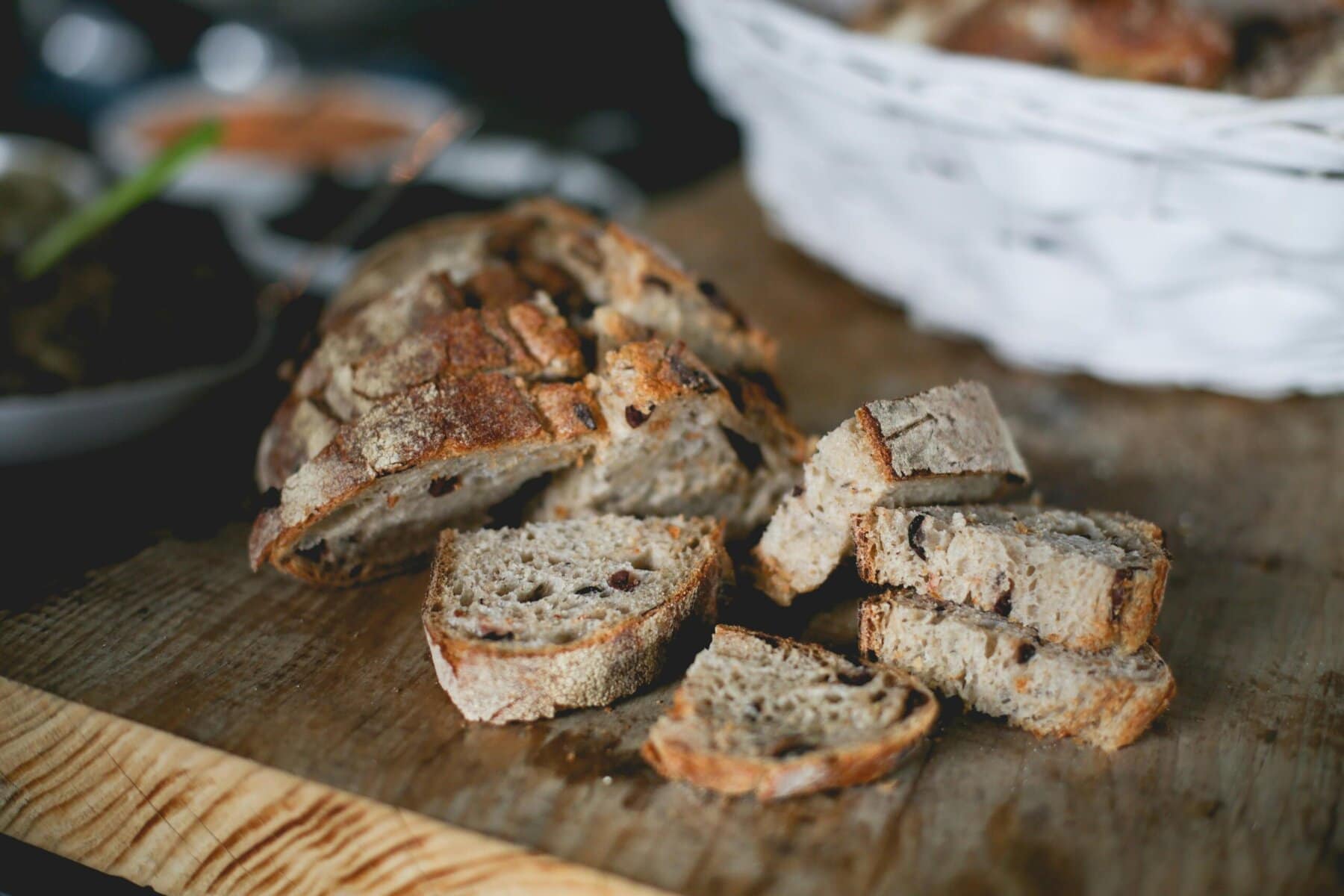
The Quiet Role of Bread in Every Great Meal
When people think about what makes a meal memorable, they often focus on the main dish—the flavors, the presentation, or the ingredients on the plate. But behind many of those experiences is something simpler that ties everything together.
Bread.
It may not always be the centerpiece, but it plays a steady and important role throughout a meal. From the first bite to the last, bread supports the overall experience in ways that are easy to overlook but hard to replace.
The First Impression at the Table
In many settings, bread is one of the first things served. Whether it’s part of a basket, a side, or the base of a dish, it often introduces the meal.
That first impression matters.
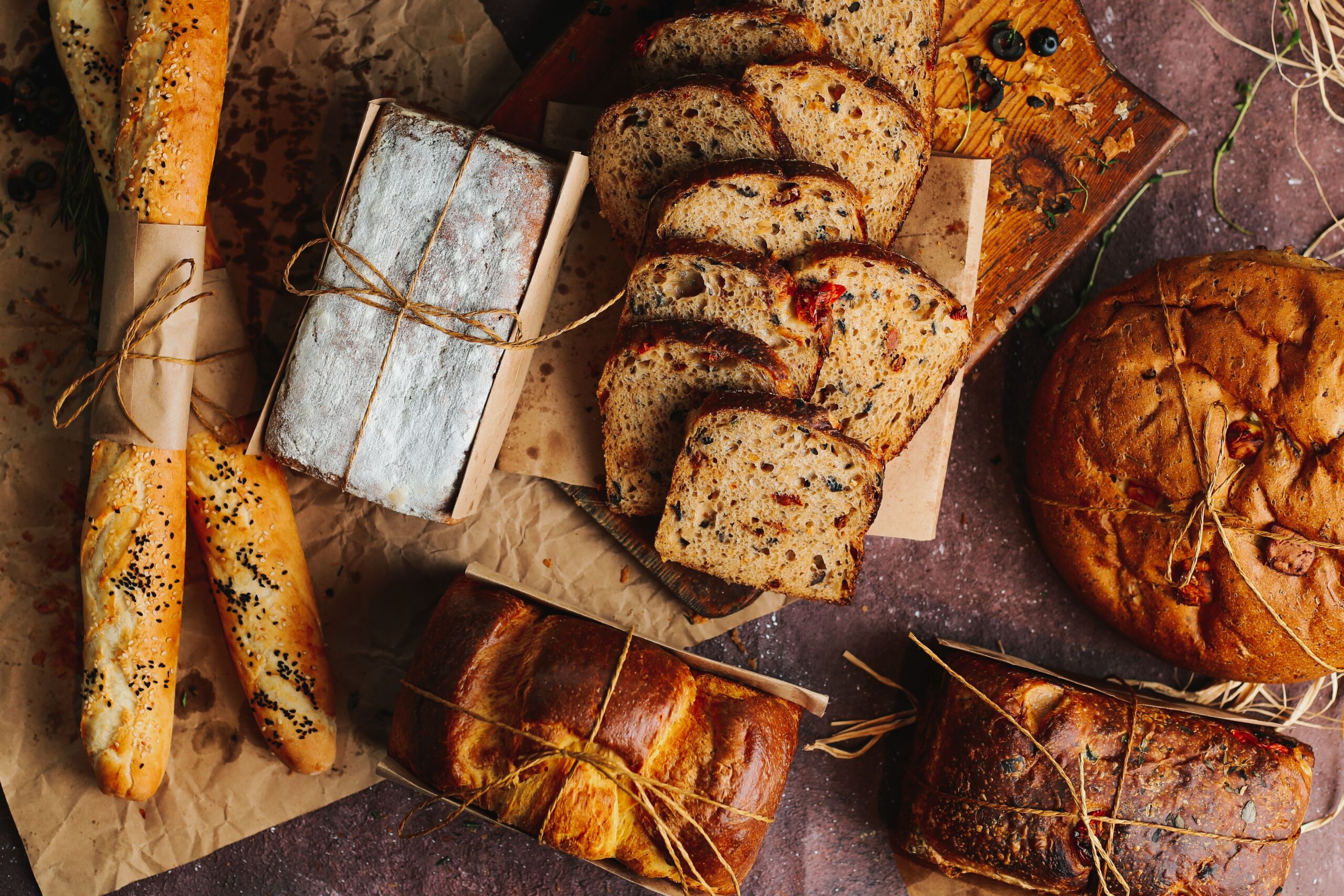
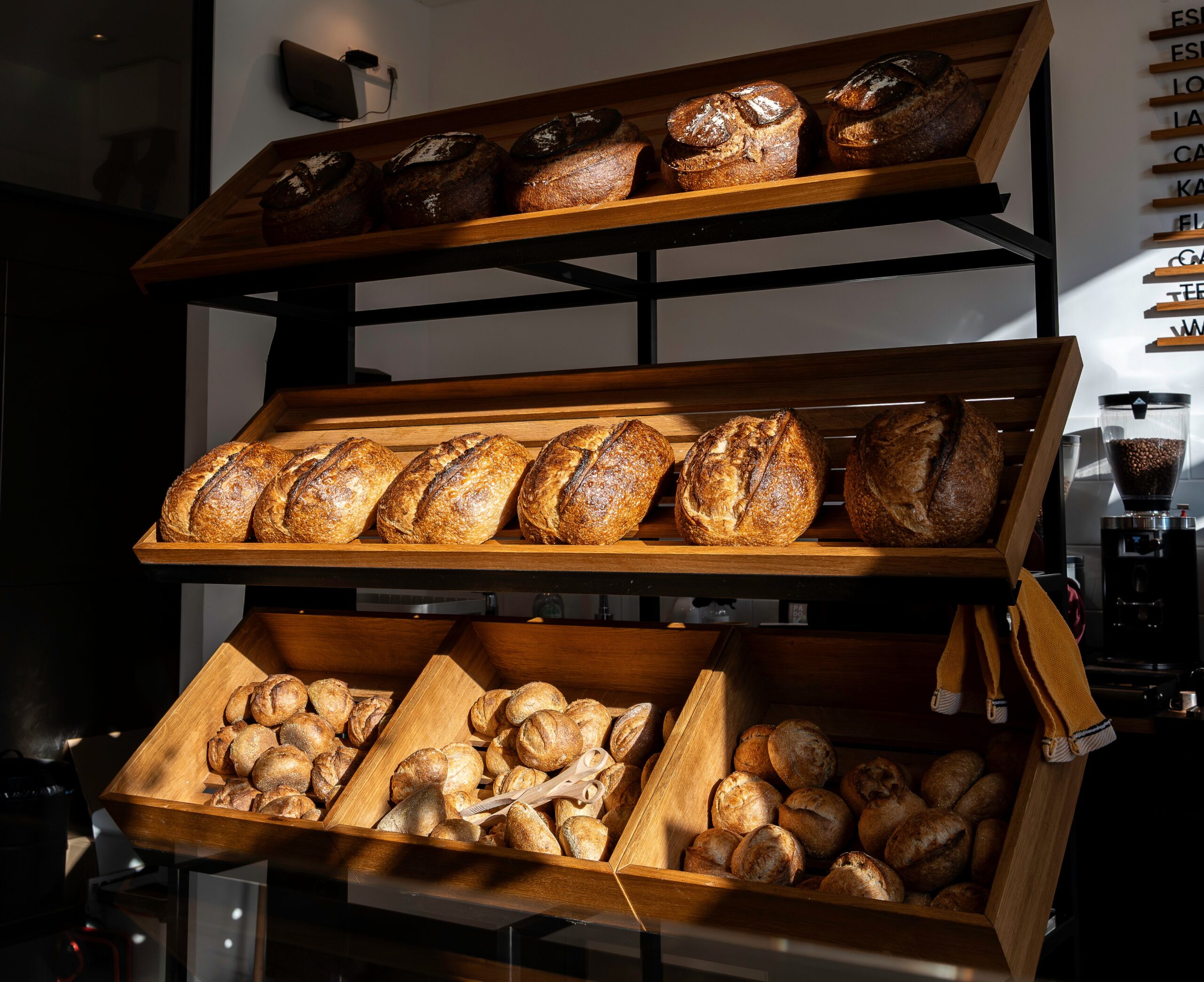
Fresh bread with a balanced texture and a well-developed crust sets a positive tone. It signals care, preparation, and attention to detail. Even before the main course arrives, it begins shaping how the rest of the meal will be experienced.
Bringing Balance to Every Dish
Bread has a natural ability to balance flavors.
It complements rich sauces, pairs well with lighter dishes, and provides a neutral base that allows other ingredients to stand out. This balance makes it one of the most versatile components in any meal.
Whether it’s served alongside a dish or built into it, bread helps create a more complete and satisfying experience.
A Texture That Enhances the Meal
Texture is just as important as flavor.
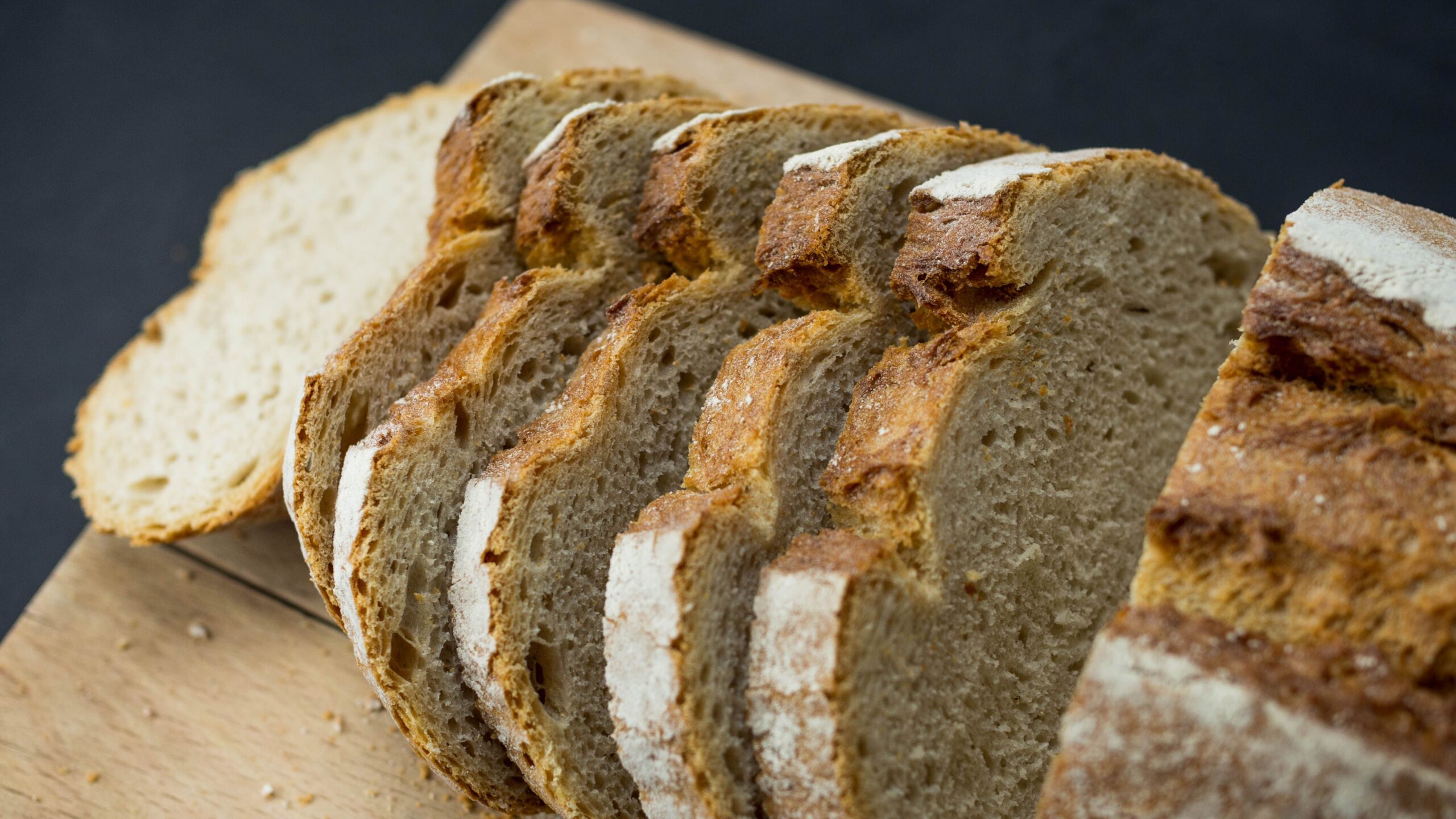
A crisp outer layer combined with a soft interior creates contrast that adds depth to every bite. This contrast works well with a wide variety of foods, from soups and salads to meats and spreads.
Good bread enhances the overall texture of a meal, making it more enjoyable without overwhelming the dish.
Consistency That Builds Trust
One of the reasons people return to the same places or meals is consistency. They know what to expect, and that familiarity creates trust.
Bread plays a role in that consistency.
When it is made with care and prepared the same way each time, it becomes a reliable part of the experience. It supports the rest of the meal by providing a steady, dependable element that does not change from one visit to the next.
A Connection to Tradition
Bread has been part of meals for generations. Across cultures and cuisines, it carries a sense of tradition and continuity.
The methods used to create it may evolve, but the purpose remains the same: to bring people together and complement the food around it.
That connection to tradition gives bread a timeless quality that continues to resonate today.
Simple, Yet Essential
Bread is often described as simple, but its impact is anything but small.
It enhances the structure of dishes, improves the overall balance of flavors, and contributes to the feeling of a complete meal. It does all of this quietly, without needing to stand out.
This is what makes bread essential. It supports everything around it while maintaining its own identity.
The Difference Is in the Details
Small details often shape the way a meal is remembered. The texture of the bread, the way it pairs with other elements, and the consistency from one experience to the next all contribute to the overall impression.
When those details are done well, the difference is clear.
Bread may not always be the focus, but it is always part of the story. And when it is crafted with care, it helps turn an ordinary meal into something worth remembering.